Audrey Hepburn: Anorexia and Depression
The Untold Struggles Behind a Hollywood Icon
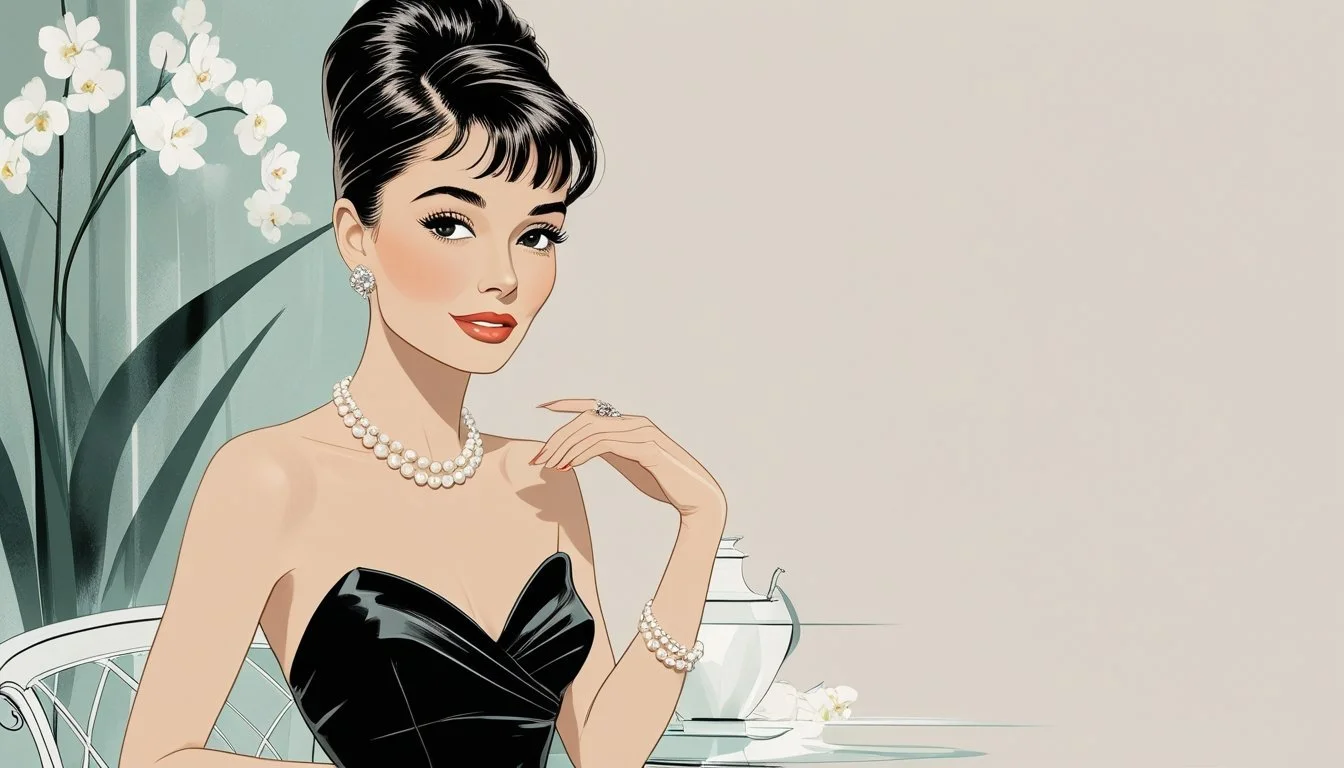
For decades, the name Audrey Hepburn has been synonymous with grace, elegance, and timeless beauty. Yet behind the black dress and the dazzling smile, there has long been speculation about Audrey Hepburn anorexia and whether the actress’s famously slim figure was the result of an eating disorder. Fans and critics alike questioned how the style icon maintained her frame, sparking eating disorder accusations throughout her entire adult life.
What many did not realize, however, was that Hepburn’s thinness was not born of vanity or Hollywood pressure. Instead, it was deeply connected to her early life during the Second World War, when malnutrition, trauma, and the Nazi occupation of the Netherlands profoundly shaped her body and mind.
Audrey Hepburn
Born in Brussels in 1929 to a British father and a Dutch mother, the young girl who would one day be a movie star endured hardship from the very beginning. Her mother, a Dutch baroness, raised her in the Netherlands after her father abandoned the family. During the World War II years, food was scarce, and Hepburn survived on rations of brown bread, baking chocolate, chicken soup, and even tulip bulbs when starvation was at its worst.
The deprivation left lasting physical consequences. Hepburn never developed the healthy metabolism many imagined she had. Instead, she carried the scars of famine into adulthood, which explained her notoriously thin figure. Friends and family later said that the public often thought Hepburn starved herself, but in reality, her body never fully recovered from wartime malnutrition.
Eating Disorder
The eating disorder accusations followed Hepburn throughout her career. In Hollywood, where curves were celebrated—think of Marilyn Monroe and Elizabeth Taylor—Hepburn’s slenderness was unusual. Critics whispered about Audrey Hepburn's anorexia, assuming she restricted food to stay slim.
However, her son Luca Dotti later clarified that his mother did not suffer from an eating disorder. In his memoir, Dotti wrote that Audrey actually loved Italian food and had what he called a “serious pasta addiction.” Her signature dish, he recalled, was a simple plate of pasta with tomato sauce. The younger son Dotti, recalls that she ate well, enjoyed lean meat, and often cooked in her mother’s kitchen when she had the chance.
Despite her enjoyment of food, Hepburn’s famously slim figure remained. Her body had been shaped by the world war and the Nazi occupation, not by Hollywood diets. Still, the eating disorder accusations haunted her, adding to the pressures of fame and contributing to periods of depression.
Breakfast at Tiffany's
Hepburn’s acting career skyrocketed with films like Roman Holiday, where she played Princess Ann, and Sabrina. But it was Breakfast at Tiffany’s that cemented her as a style icon. The image of Hepburn in a black dress, pearls, and long gloves became one of the most enduring symbols of Hollywood glamour.
Yet behind the glamour, Hepburn was struggling. While she smiled on screen, she privately battled exhaustion, fragile health, and lingering trauma from her youth. The disorder accusations only intensified after Breakfast at Tiffany’s, as audiences marveled at her delicate frame. Few understood that Hepburn’s diet was modest but nourishing—pasta, vegetables, and small portions of lean meat—not the restrictive regimen people imagined.
Hepburn's Son
Both of Hepburn’s children have worked to preserve her legacy and clarify misconceptions. Hepburn’s son Sean Hepburn Ferrer, from her marriage to actor Mel Ferrer, has spoken about his mother’s humanitarian work and her resilience. Her younger son Dotti, from her second marriage to Italian psychiatrist Andrea Dotti, has been especially vocal about her relationship with food.
In interviews, the younger son Dotti recalls that his mother’s absolute favorite meals were rooted in Italian food and pasta. “She had a serious pasta addiction,” Dotti wrote, noting that she ate it almost daily. He emphasized that she did not starve herself but instead ate in moderation, balancing her love of tomato sauce and pasta with vegetables and lean meat.
Hepburn’s diet, he explained, was simple and wholesome, reflecting her European upbringing. She valued meals with her family, often preparing lunch or breakfast herself. For Hepburn, food was not about image—it was about comfort, memory, and survival.
Early Life
To truly understand Hepburn’s struggles, one must look at her early life. As a girl in the Netherlands during the Second World War, Audrey experienced hunger on a devastating scale. The Nazi occupation meant that even basic foods were scarce. She later recalled eating tulip bulbs and making flour from grass to survive.
This period also left deep psychological scars. Hepburn, who once dreamed of becoming a ballerina, was too weak from malnutrition to pursue dance professionally. Instead, she started acting, which led her to London, Paris, and eventually Hollywood.
Her past, however, never left her. Hepburn identified strongly with Anne Frank, who was close to her age during the war. She often said she felt she could have been Anne, had circumstances been slightly different. This connection fueled her empathy and later inspired her work as a goodwill ambassador for UNICEF.
Audrey’s Personal Life and Struggles
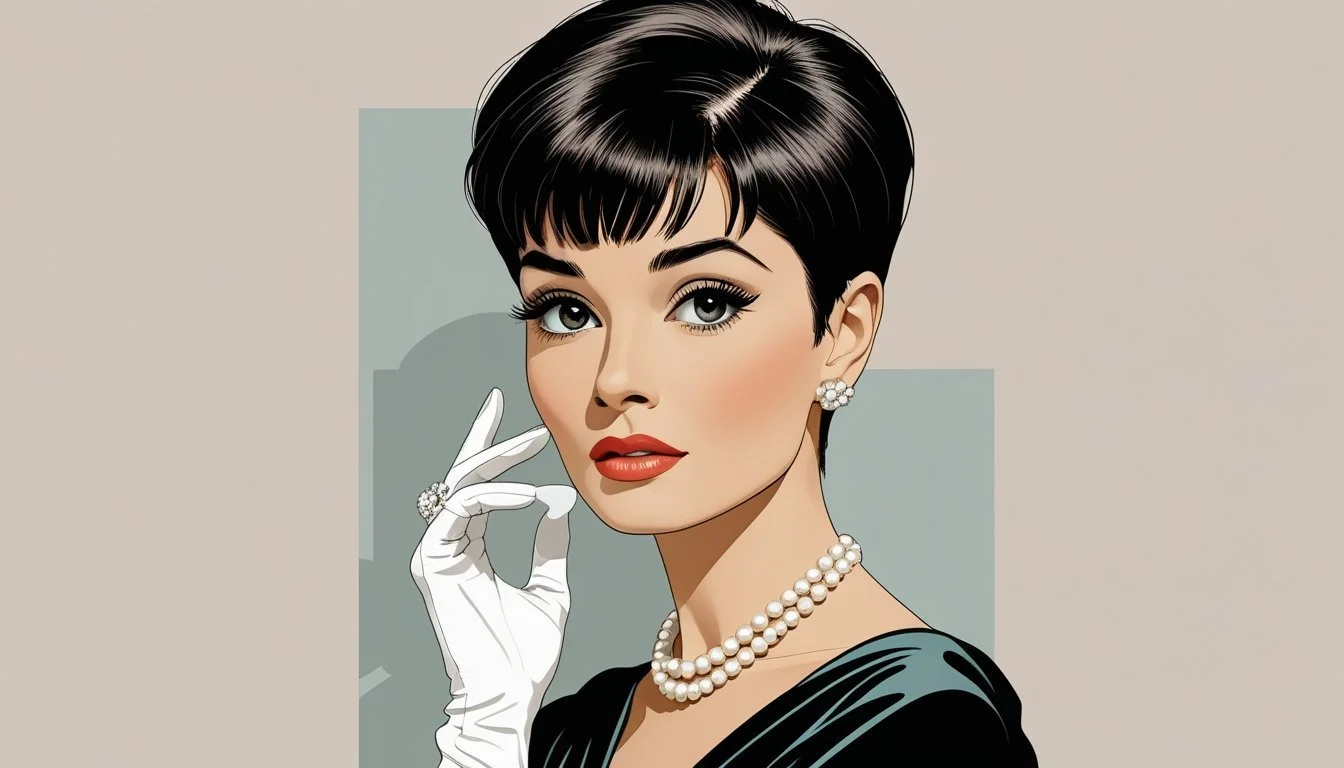
Behind the scenes, Hepburn’s personal life was complex. Her marriage to actor Mel Ferrer ended in divorce, as did her second marriage to Andrea Dotti. Despite the challenges, she remained devoted to her children, son Sean and younger son Dotti.
Friends noted that Audrey found solace in cooking. She often ate simple meals, preferring Italian food over elaborate dishes. She was known to prepare chicken soup, pasta, and brown bread, always mindful of the lessons from her wartime childhood.
Still, depression shadowed her. The trauma of abandonment by her father, the horrors of war, and the relentless scrutiny of Hollywood weighed heavily on her. While she radiated joy on screen, those close to her knew she carried sadness privately.
Legacy Beyond Hollywood
Despite her struggles, Hepburn transformed her pain into compassion. After retiring from film, she dedicated herself to humanitarian work, serving as a goodwill ambassador for UNICEF. She traveled the world, advocating for children in need, driven by memories of her own hunger during the world war.
Her sons later established the Audrey Hepburn Children’s Fund to continue her mission. Through this work, Hepburn’s legacy extends far beyond her roles in Funny Face, Sabrina, or Breakfast at Tiffany’s.
She was honored with the Presidential Medal of Freedom for her humanitarian efforts, cementing her place not just as a best actress but as a global advocate for compassion.
Conclusion: The Untold Struggles of a Hollywood Icon
The story of Audrey Hepburn anorexia is not one of vanity or Hollywood obsession, but of survival and resilience. Her famously slim figure was the result of childhood malnutrition during the Nazi occupation, not an eating disorder.
As son Luca Dotti and son Sean have emphasized, Hepburn loved food—especially Italian food and pasta—and found joy in her mother’s kitchen. The eating disorder accusations that followed her were misunderstandings of a body permanently shaped by war.
Audrey Hepburn’s life was marked by hardship, yet she transformed her suffering into empathy. From Roman Holiday to her work with UNICEF, from her friendship with designer Hubert de Givenchy to her devotion as a mother, Hepburn remains a symbol of grace, resilience, and compassion.
Her struggles with depression and her misunderstood relationship with food remind us that even the brightest icons carry hidden battles. And perhaps that is why Audrey Hepburn continues to inspire—not just as a movie star, but as a woman who turned pain into purpose.