
Famous People with Oppositional Defiant Disorder: 6 Celebrities Share Their Struggles

Oppositional Defiant Disorder (ODD) affects many individuals, including some well-known celebrities. This mental health condition is characterized by persistent patterns of angry, defiant, and uncooperative behavior towards authority figures. While often diagnosed in children, ODD can persist into adulthood and impact various aspects of life. Challenging childhoods marked by ODD can influence personal growth and future achievements, especially for those who later become successful.
Several stars have bravely shared their experiences with ODD, shedding light on the challenges they’ve faced and overcome. By opening up about their struggles, these celebrities help raise awareness and reduce stigma surrounding the disorder. Their stories provide valuable insights into living with ODD and demonstrate that success is possible despite the obstacles it presents. ODD can significantly impact a child's life, shaping their experiences and development.
Introduction to Mental Health Issues

Mental health issues are increasingly recognized as a significant concern in today’s world, affecting people of all ages and backgrounds. Among these, oppositional defiant disorder (ODD) stands out as a challenging condition that often emerges in childhood or adolescence. ODD is characterized by a persistent pattern of angry outbursts, argumentative or defiant behavior, and a tendency to challenge authority figures such as parents, teachers, and other adults.
For families and educators, understanding oppositional defiant disorder is crucial. Early recognition of defiant behaviors can make a meaningful difference in a child’s life, allowing for timely intervention and support. When left unaddressed, ODD can disrupt family dynamics, strain relationships with teachers, and impact a child’s ability to thrive in school and social settings.
By increasing awareness of mental health issues like ODD, parents, teachers, and healthcare professionals can work together to identify the signs of oppositional defiant disorder and seek effective treatment. This collaborative approach not only helps manage defiant behavior but also promotes better mental health outcomes for children and their families. Recognizing the importance of mental health and early intervention is the first step toward building a supportive environment where every child has the opportunity to succeed.
1) Lili Reinhart on Managing ODD

Lili Reinhart, known for her role in Riverdale, has been open about her mental health challenges. While she has not specifically discussed Oppositional Defiant Disorder (ODD), Reinhart has spoken candidly about related struggles.
The actress has shared her experiences with depression, anxiety, and body dysmorphia. She has described feeling “defeated” by her depression on some days, highlighting the ongoing nature of mental health management.
Reinhart has also mentioned dealing with obsessive-compulsive disorder (ODD), expressing frustration over its impact on her life. Her openness about these issues has helped raise awareness and reduce stigma surrounding mental health. Conditions like attention deficit disorder and asperger's syndrome are sometimes considered in the diagnostic process for individuals with behavioral challenges similar to ODD.
The 27-year-old star has emphasized the importance of seeking help and treatment. She has advocated for therapy and other forms of professional support as crucial tools in managing mental health challenges.
Reinhart’s willingness to discuss her struggles publicly has resonated with many fans. By sharing her experiences, she has helped others feel less alone in their own mental health journeys.
2) Russell Brand's Candid Admission

Russell Brand has been open about his personal struggles and journey towards spirituality. The actor and comedian has spoken candidly about his need for faith to navigate life's challenges.
Brand has emphasized his reliance on spirituality, stating, "I need God, or I cannot cope in this world." This admission highlights the importance of faith in his life and personal growth.
The former "Rock of Ages" star has also discussed his past battles with addiction. Brand celebrated 19 years of sobriety after overcoming heroin addiction in his twenties, marking a significant milestone in his recovery journey.
In recent years, Brand has embraced Christianity and documented his faith journey publicly. He has expressed a desire to believe in the best in people and find meaning through spiritual practices.
Brand's openness about his struggles and spiritual transformation has resonated with many fans. His willingness to discuss these personal topics provides insight into his ongoing journey of self-improvement and spiritual growth.
3) Billie Eilish Discusses Childhood Challenges
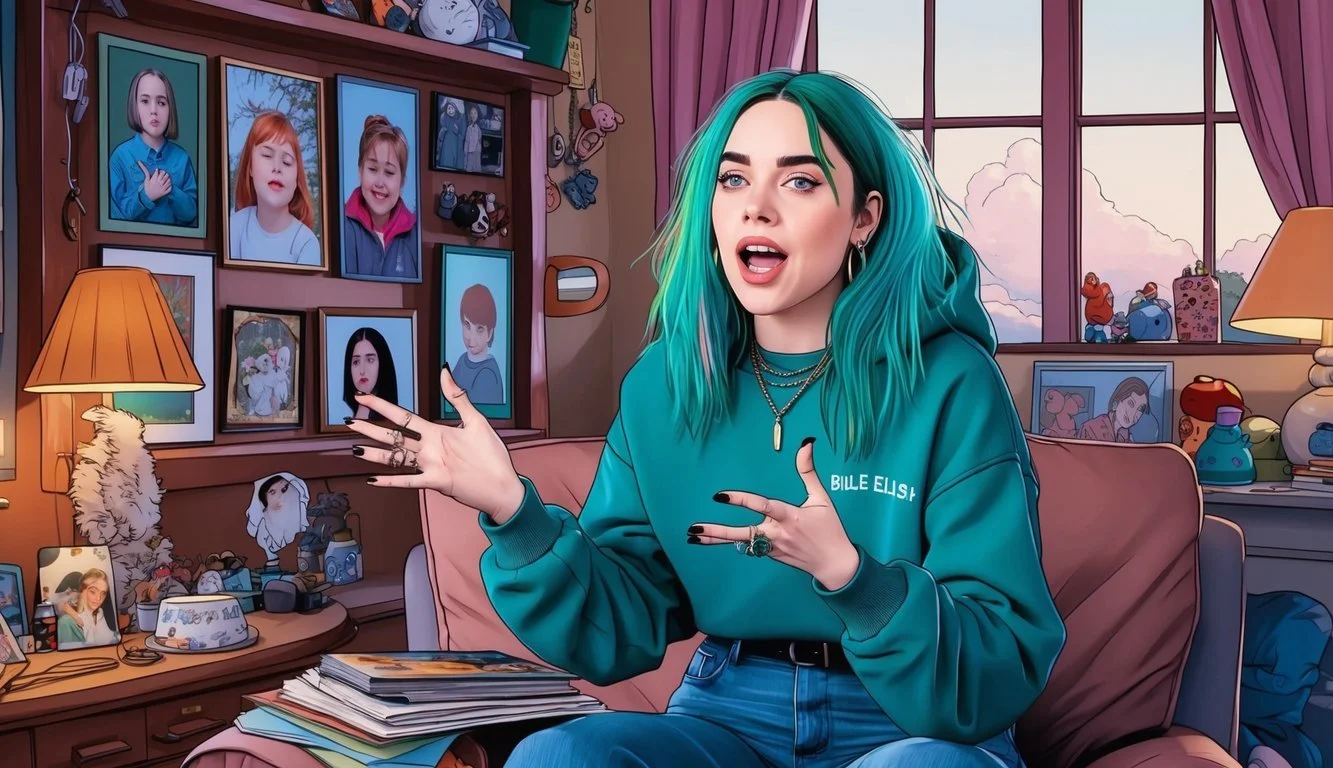
Billie Eilish has been candid about her mental health struggles since childhood. The singer-songwriter revealed she has dealt with depression and anxiety for much of her life.
Eilish disclosed that she first experienced depressive symptoms around age 13. This coincided with a dance injury that significantly impacted her life and aspirations.
The artist acknowledged feeling unhappy for extended periods, even during times when she recognized she was fortunate. She described herself as "a depressed person" and noted that happiness has been elusive throughout her life.
Eilish also opened up about her experiences with body dysmorphia. This condition affected her self-image and contributed to her ongoing mental health challenges.
The singer's honesty about her struggles has resonated with many fans. By sharing her experiences, Eilish has helped raise awareness about mental health issues affecting young people.
4) Jack Nicholson on Personal Battles

Jack Nicholson has faced personal challenges throughout his career. The acclaimed actor has been open about his struggles with mood swings and emotional instability.
Nicholson's experiences with mental health issues have influenced his performances. He has channeled his inner turmoil into creating complex, often troubled characters on screen.
The actor has spoken about periods of depression and anxiety. These difficulties have at times affected his work and relationships.
Nicholson has discussed feeling overwhelmed by success and praise. After his breakout role in "One Flew Over the Cuckoo's Nest," he felt pressure to maintain his newfound status.
Despite his struggles, Nicholson has continued to work and thrive in Hollywood. He has used his platform to discuss mental health and the importance of seeking help.
The actor's willingness to share his experiences has helped reduce stigma. His openness about personal battles has resonated with fans and fellow actors alike.
5) Emma Stone Talks About Early Struggles
Emma Stone experienced her first panic attack at the age of 7. This early onset of anxiety prompted her parents to seek professional help for their daughter. Her mother played a crucial role in recognizing Emma's struggles and advocating for early intervention.
Stone began therapy at a young age, which she credits as being highly beneficial. The actress has been open about her ongoing battle with anxiety and panic attacks throughout her life.
Acting became a powerful tool for Stone to manage her anxiety. She found that performing allowed her to channel her intense emotions in a productive way.
Stone has described how acting helps her stay present in the moment, rather than worrying about the future. This focus on the present has been crucial in her journey to manage anxiety.
The Oscar-nominated star continues to speak candidly about her mental health experiences. By sharing her story, Stone helps raise awareness and reduce stigma surrounding anxiety disorders.
Her openness about starting therapy as a child highlights the importance of early intervention for mental health issues. Stone’s journey demonstrates that with proper support and coping strategies, individuals can thrive despite anxiety challenges.
6) David Beckham's Family Insights

David Beckham and his wife Victoria have been open about their family life and parenting experiences. The couple, married for nearly 25 years, have four children: Brooklyn, Romeo, Cruz, and Harper. In the Beckham family, the role of an older brother is significant—older siblings like Brooklyn often set examples and influence the personalities and development of their younger brothers and sister, shaping the family dynamic.
The Beckhams prioritize their children’s well-being and are proud of their family unit. David has expressed that he and Victoria are “proudest” of their children, highlighting the importance they place on family.
In recent years, the Beckhams have shared more about their relationship and family dynamics. They’ve appeared together at public events, including the premiere of a documentary about David’s life and career.
The family often poses together on red carpets, showcasing their strong bond. These public appearances give glimpses into their family life and relationships.
David and Victoria’s commitment to their children is evident in their public statements and actions. They balance their high-profile careers with active involvement in their children’s lives.
Understanding Oppositional Defiant Disorder

Oppositional Defiant Disorder (ODD) is a behavioral condition characterized by persistent defiance and hostility towards authority figures. It affects children and adolescents, causing significant disruptions in their daily lives and relationships. A defiant child with ODD may challenge societal norms and expectations, often standing out from other kids due to their persistent negative behavior.
Symptoms and Diagnosis
ODD manifests through a pattern of angry, irritable moods and argumentative, defiant behaviors. Common signs include frequent temper outbursts, excessive arguing with adults, and deliberate attempts to annoy others.
Children with ODD often refuse to comply with rules and requests from authority figures. They may blame others for their mistakes and show vindictive behavior.
Diagnosis requires the presence of these symptoms for at least six months. The behaviors must occur more frequently than is typical for the child’s age and developmental level.
Healthcare professionals use standardized criteria to assess ODD. A child can develop ODD due to a combination of genetic predispositions, environmental influences, and individual temperament. They consider the severity and impact of symptoms on the child’s functioning at home, school, and in social settings.
Causes and Risk Factors
The exact cause of ODD remains unknown, but researchers believe it involves a combination of genetic, environmental, and neurobiological factors.
Genetic predisposition may play a role, as ODD tends to run in families. Children with a parent or sibling who has a mental health disorder are at higher risk.
Environmental factors such as inconsistent or harsh parenting, family dysfunction, and exposure to violence can contribute to the development of ODD.
Neurobiological differences in brain structure and function may also be involved. Some studies suggest abnormalities in areas responsible for emotional regulation and impulse control. Specifically, abnormalities in the prefrontal cortex and anterior cingulate have been linked to difficulties with emotional regulation and impulsivity in children with ODD.
Other risk factors include temperamental traits like high emotional reactivity and low frustration tolerance. Socioeconomic disadvantages and peer influences can exacerbate these risks. Economic hardship can increase the likelihood of developing ODD, and some children may benefit from attending a pupil referral unit, where specialized support is available for those with significant behavioral challenges.
Impact of ODD on Personal and Professional Life

Oppositional Defiant Disorder significantly affects individuals’ daily lives, altering their interactions with others and their performance at work. While ODD often begins in childhood, its effects can persist into the teenage years and even into adult life, impacting long-term personal and professional development. These challenges can create obstacles in forming and maintaining relationships, as well as navigating workplace environments.
Challenges in Relationships
People with ODD often struggle to form and maintain healthy relationships. Their argumentative nature and difficulty following rules can strain family bonds. Parents may experience increased stress and frustration when dealing with an ODD child’s defiant behavior. As a mom, you are often hoping for positive changes in your child’s behavior and future, even when faced with ongoing challenges.
Romantic relationships can be particularly challenging. Partners may feel overwhelmed by frequent arguments and oppositional attitudes. Trust issues may arise due to the person with ODD’s tendency to blame others or refuse responsibility.
Friendships can also suffer. The individual’s irritable mood and vindictive behavior may push peers away. Social isolation is common, as others may find it difficult to cope with their unpredictable reactions.
Workplace Dynamics
ODD can significantly impact professional life. Employees with this disorder may struggle to follow workplace rules and protocols. Their defiant attitude towards authority figures can lead to conflicts with supervisors and coworkers.
Job performance may suffer due to difficulty accepting feedback or criticism. The individual might resist suggestions for improvement, hindering their professional growth. Team projects can be particularly challenging, as their oppositional behavior may disrupt group dynamics.
Career advancement opportunities may be limited. Employers may hesitate to promote individuals who frequently clash with others or struggle to adapt to workplace norms. Job instability is common, with frequent job changes or terminations due to behavioral issues.
Treatment Options for ODD
When it comes to oppositional defiant disorder, a comprehensive treatment plan is key to helping individuals manage their symptoms and lead fulfilling lives. The most effective treatment for ODD often combines behavioral therapy, parent training, and, in some cases, medication.
Behavioral therapies, such as cognitive-behavioral therapy (CBT), are designed to help children and adolescents with ODD recognize and change negative patterns of thinking and behavior. These therapies teach practical skills for managing anger, improving communication, and reducing defiant behavior. Parent management training (PMT) is another powerful tool, equipping parents with strategies to respond to their child’s defiant behaviors in a consistent and constructive way.
For some individuals, especially those who also experience attention deficit hyperactivity disorder (ADHD) or mood disorders, medication may be recommended as part of their treatment plan. Medications can help address symptoms that make it harder to manage ODD, such as impulsivity or severe mood swings.
It’s important for parents and caregivers to work closely with mental health professionals to develop a tailored approach that addresses the unique needs of their child. With the right support and effective treatment, children and teens with oppositional defiant disorder can learn to manage their behaviors, improve their relationships, and enhance their overall mental health and well-being.
Promoting Personal Growth and Well-being

Supporting personal growth and well-being is a vital part of helping individuals with oppositional defiant disorder thrive. Encouraging positive coping strategies—such as regular exercise, mindfulness practices, or creative outlets—can empower those with ODD to better manage stress and regulate their emotions.
A nurturing and supportive environment at home and in school plays an important role in reducing defiant behavior and building self-confidence. Families and caregivers can make a significant difference by offering consistent emotional support, celebrating achievements, and providing positive reinforcement for healthy behaviors.
Focusing on strengths rather than challenges helps individuals with ODD develop a more positive self-image and resilience in the face of adversity. By working together, families, teachers, and mental health professionals can create a foundation for lasting personal growth, improved mental health, and a brighter future for those living with oppositional defiant disorder.
