
6 Celebrities Open Up About Their Battles with Depersonalization

Depersonalization is a dissociative disorder characterized by feelings of detachment from one's self, body, or surroundings. While it can be a distressing experience for many, some celebrities have chosen to speak openly about their struggles with this condition. By sharing their stories, these public figures have helped raise awareness and reduce stigma surrounding depersonalization and other mental health issues.
In recent years, several stars from various entertainment fields have discussed their experiences with depersonalization. Their candid revelations provide insight into how this disorder can affect individuals, even those in the public eye. These personal accounts offer valuable perspectives on coping with depersonalization and seeking help.
Introduction to Mental Health
Mental health is a crucial component of our overall well-being, shaping how we think, feel, and interact with the world around us. It influences our emotional, psychological, and social well-being, affecting every aspect of our lives—from our relationships to our ability to handle stress and make decisions. Mental health challenges, such as depersonalization-derealization disorder, can have a profound impact on daily functioning and quality of life.
When individuals experience mental health struggles like depersonalization disorder or derealization disorder, they may feel disconnected from themselves or their surroundings, making it difficult to engage fully in life.
Recognizing the importance of mental health awareness is essential, as it encourages people to seek help and support when facing mental health issues. Public figures and celebrities who share their own experiences with mental health challenges play a vital role in breaking down stigma and promoting the value of professional support. By prioritizing mental health, we can all work towards greater well-being and a more compassionate society.
1) Emma Stone - Spoke about feeling like she was looking at herself from outside her body
Emma Stone has been open about her experiences with anxiety and panic attacks since childhood. The Oscar-nominated actress revealed that her first panic attack occurred at age 7 while at a friend's house.
Stone described a sudden, overwhelming feeling that the house was on fire, despite no evidence to support this belief. She felt her chest tighten as the panic set in.
In interviews, Stone has shared that her anxiety sometimes manifests as depersonalization. This sensation makes her feel as though she is observing herself from outside her own body. These symptoms are an example of dissociative experiences, which involve feeling disconnected from oneself or one's surroundings.
Despite these challenges, Stone has found ways to channel her anxiety into her acting career. She views her heightened emotions as a potential asset, referring to them as a "superpower" that she can tap into for her performances.
Stone's willingness to discuss her mental health struggles publicly has helped raise awareness about anxiety and depersonalization. By sharing her experiences, she contributes to reducing stigma surrounding these conditions.
2) Kendall Jenner - Shared her struggles with anxiety and feeling disconnected
Kendall Jenner has been open about her experiences with anxiety and feeling disconnected. The supermodel and reality TV star has discussed these issues in various interviews and platforms.
Jenner revealed that she has dealt with anxiety since childhood. She recalled having shortness of breath at a young age and telling her mother about it.
In a Vogue video series, Jenner spoke candidly about her struggles. She described feeling like she couldn't breathe and experiencing physical symptoms of anxiety.
The model also talked about being a "negative thinker" and constantly worrying. She emphasized that despite her public image, she faces real challenges with her mental health.
Jenner has addressed feeling disconnected, which can be a symptom of anxiety. She discussed the impact of these feelings on her daily life and career.
By sharing her experiences, Jenner has helped raise awareness about anxiety and its effects. She has encouraged others to seek help and talk openly about mental health issues.
3) Zayn Malik - Opened up about his experiences with severe anxiety and depersonalization

Zayn Malik, former member of One Direction, has been candid about his struggles with anxiety and depersonalization. The singer has shared his experiences in interviews and his memoir, shedding light on the challenges he faces.
Malik has described feeling disconnected from reality during performances and public appearances. This sensation, known as depersonalization, often accompanies his anxiety symptoms.
In 2016, Malik canceled a performance at the Capital Summertime Ball due to an anxiety attack. This incident prompted him to speak openly about his mental health struggles.
The artist's memoir delves into his experiences with anxiety, panic attacks, and the pressure of fame. Malik emphasizes the importance of discussing mental health issues to reduce stigma.
By sharing his story, Malik aims to help others who may be experiencing similar challenges. He encourages fans to seek support and prioritize their mental well-being.
4) Winona Ryder - Discussed how she felt like an observer in her own life

Winona Ryder has openly shared her experiences with depersonalization throughout her career. The acclaimed actress described feeling detached from her own life, as if watching herself from the outside.
In interviews, Ryder revealed that she often felt like a spectator rather than an active participant in her daily experiences. This sense of disconnection affected both her personal life and her work in the entertainment industry.
The "Stranger Things" star explained that depersonalization made her feel as though she was observing her own actions and emotions without truly experiencing them. This created a sense of unreality in her day-to-day life.
Ryder's candidness about her struggles has helped raise awareness about depersonalization and its impact on mental health. By sharing her experiences, she has encouraged others to seek help and understanding for similar feelings of detachment.
Despite these challenges, Ryder has continued to build a successful acting career. Her ability to portray complex characters on screen may be influenced by her unique perspective on life and emotions.
5) Cara Delevingne - Talked about moments of detachment and self-alienation
Cara Delevingne, the renowned model and actress, has been open about her struggles with mental health, including experiences of depersonalization. She has described feeling disconnected from herself and her surroundings at times.
In interviews, Delevingne has shared that she sometimes felt like she was watching herself from outside her body. These moments of detachment made it difficult for her to engage fully with her environment and those around her.
The star has also spoken about feeling alienated from her own emotions and thoughts. She described it as a surreal sensation of not recognizing herself or her own experiences.
Delevingne's journey with mental health has included seeking help and developing coping strategies. She has emphasized the importance of self-care and professional support in managing these challenging experiences.
By sharing her story, Delevingne has helped raise awareness about depersonalization and other mental health issues. Her openness has encouraged others to seek help and talk more freely about their own struggles.
6) Olivia Munn - Shared how anxiety led to feelings of unreality

Olivia Munn experienced intense postpartum anxiety after the birth of her son Malcolm in November 2021. The actress described waking up at 4 a.m. feeling unable to breathe, with her chest tightening.
These anxiety attacks began about a month after Malcolm's birth and persisted for nearly a year. Munn likened the sensation to having "the entire ocean" on top of her, creating a sense of unreality.
The anxiety took a significant toll on Munn's daily life and mental well-being. She found herself struggling with these intense feelings while also adjusting to new motherhood.
Munn's experience highlights the profound impact postpartum anxiety can have on a person's sense of self and reality. By sharing her story, she has helped shed light on this often overlooked aspect of postpartum mental health.
Despite the challenges, Munn continued working, even filming physically demanding scenes for "Tales of the Walking Dead" while dealing with her anxiety. Her openness about these struggles has resonated with many who have faced similar experiences.
Understanding Depersonalization
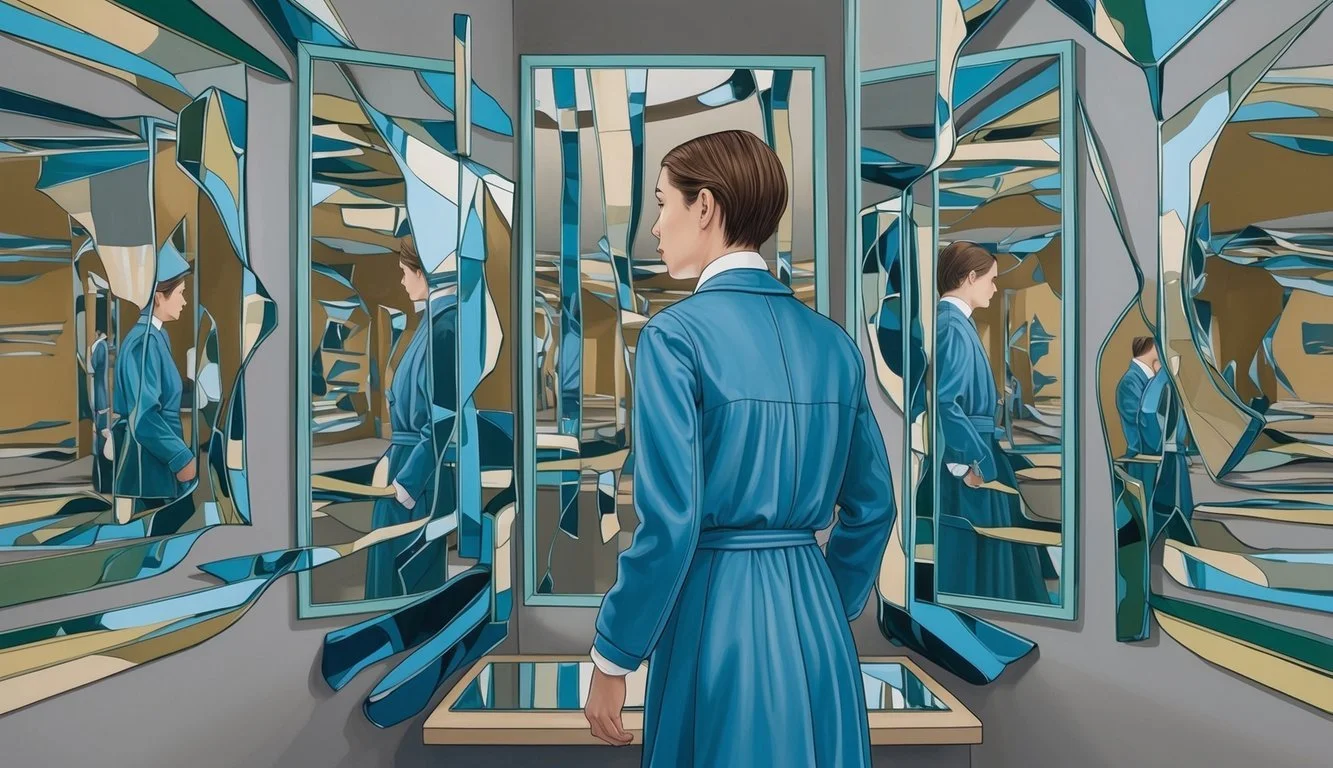
Understanding Depersonalization
Depersonalization is a complex psychological phenomenon that can profoundly affect an individual’s sense of self and reality. It often coincides with feelings of detachment and unreality.
For some, depersonalization may be a coping mechanism developed in response to overwhelming situations. In many cases, it acts as a protective mechanism, shielding individuals from overwhelming emotions or trauma.
A sense of being outside one’s body
Feeling emotionally numb or disconnected from surroundings
Perceiving the world as dreamlike or unreal
Some individuals can recall the exact time their depersonalization symptoms began, especially when these symptoms are triggered by acute stress or traumatic events.
For many people, depersonalization symptoms can persist or recur in the same way over time or in response to similar triggers.
What Is Depersonalization?
Depersonalization is characterized by a feeling of disconnect from one's own thoughts, feelings, and body. Individuals experiencing depersonalization may feel as if they are observing themselves from outside their body or as if they are living in a dream-like state.
This condition can manifest in various ways, including:
A sense of being an outside observer of one's thoughts or body
Feeling detached from one's surroundings
Experiencing a distorted sense of time
Emotional or physical numbness
Depersonalization is often described as feeling "unreal" or robotic. It can be a distressing experience, leaving individuals questioning their sanity or grip on reality.
Causes and Triggers
The exact cause of depersonalization is not fully understood, but several factors may contribute to its onset. Stress and anxiety are common triggers, often activating the body's sympathetic nervous system.
Potential causes include:
Traumatic experiences
Severe stress or anxiety
Certain medications
Recreational drug use
Sleep deprivation
Neurological conditions
For some, depersonalization may be a coping mechanism developed in response to overwhelming situations. It can serve as a protective shield, temporarily disconnecting an individual from distressing emotions or experiences.
Genetic factors and brain chemistry might also play a role in an individual's susceptibility to depersonalization episodes.
Diagnostic Criteria for Depersonalization
According to the American Psychiatric Association, depersonalization-derealization disorder is diagnosed when a person experiences persistent or recurrent episodes of feeling detached from their own body, thoughts, or emotions (depersonalization), or feeling detached from their environment (derealization). These symptoms go beyond occasional moments of feeling “off”—they must cause significant distress or interfere with important areas of daily life, such as work, relationships, or social activities.
The diagnostic criteria require that these feelings of detachment are not better explained by another mental health condition, medical issue, or substance use. A thorough evaluation by a mental health professional is essential, including a detailed medical and psychological history, to ensure an accurate diagnosis. Recognizing the core symptoms—such as feeling like an outside observer of your own body or experiencing the world as unreal—is the first step toward understanding and managing this complex disorder.
Understanding Depersonalization-Derealization Disorder
Depersonalization-Derealization Disorder (DDD) is a psychological disorder where a person may experience a persistent or recurring sense of being detached from their own body or surroundings.
People often describe it as feeling disconnected from reality, as if they are an outside observer of their life. While many individuals may have short-lived episodes of depersonalization symptoms during severe stress or trauma, the disorder becomes concerning when these episodes interfere with daily life.
DDD is considered part of a spectrum of complex dissociative disorders, which also includes conditions like dissociative identity disorder (DID). These complex dissociative disorders are often linked to psychological trauma, especially in childhood, and highlight the importance of accurate diagnosis and public awareness.
What Happens When Depersonalization Derealization Disorder Occurs
When derealization disorder or depersonalization sets in, individuals may experience:
A feeling detached from their body, thoughts, or emotions
A sense that the world around them is unreal or dreamlike
Difficulty connecting with loved ones or the environment
Episodes that can be triggered or worsened by anxiety, depression, or childhood trauma
The exact cause of the disorder is not fully understood, but research suggests that traumatic experiences, severe stress, and certain factors in the brain may contribute to its onset.
Psychological and Emotional Challenges
Living with DDD can create significant challenges. People often struggle with:
A hard time staying present in the moment
Difficulty managing emotions due to the sense of detachment
Increased mental health issues, such as addiction, depression, or anxiety
Fear of more severe conditions like schizophrenia
These struggles can exacerbate symptoms and make it harder to cope without support.
Pop Culture and Mental Health Awareness
In recent years, mental health awareness has grown, and celebrities with depersonalization have started to share their stories. For example, Bowen Yang, known for Las Culturistas and Saturday Night Live, has openly discussed his struggle with bad bouts of depersonalization. At one point, Yang wrote about taking a temporary hiatus and a short break from work to recover. He even shared on an Instagram story about moments of feeling detached and needing space from pop culture pressures.
When public figures like Bowen Yang talk about their personal life and mental health issues, it helps to encourage others to seek help and reduces stigma.
Treatment and Hope
Although living with DDD is difficult, there are effective ways to deal with the disorder, and effective treatment is available. Treatment often includes:
Talking with a therapist
Exploring medication options for underlying anxiety or depression
Building support systems with loved ones or a group
Learning coping strategies to manage stress
Treatment for depersonalization-derealization disorder mainly involves psychotherapy and certain medications, including antidepressants and mood stabilizers.
With the right course of care, many people find hope and regain a stronger sense of connection to themselves and their surroundings.
Treatment Options for Depersonalization
Treating depersonalization derealization disorder often involves a combination of approaches tailored to each individual’s needs. Psychotherapy is a cornerstone of treatment, with cognitive-behavioral therapy (CBT) and dialectical behavior therapy (DBT) shown to be effective in addressing depersonalization symptoms and helping individuals regain a sense of connection to themselves and their surroundings. These therapies focus on changing unhelpful thought patterns, improving emotional regulation, and building coping skills.
In some cases, medications such as antidepressants or anti-anxiety drugs may be prescribed to manage co-occurring symptoms like depression and anxiety, which can exacerbate depersonalization and derealization disorder.
Mindfulness-based therapies, creative outlets, and self-care practices—such as regular exercise, healthy sleep habits, and stress management—can also support mental well-being and help reduce the frequency and intensity of depersonalization symptoms. With the right combination of treatment options and ongoing support, many people find relief and a renewed sense of self.
Impact on Personal Life
Depersonalization can profoundly affect celebrities' daily lives and mental well-being. Many stars have developed strategies to cope with their disruptive effects and maintain their careers.
Mental Health Considerations
Celebrities experiencing depersonalization often face unique challenges in managing their mental health. The constant pressure of public scrutiny can exacerbate symptoms, making it difficult to maintain a sense of self. Some stars report feeling detached from their own performances or public personas.
Bo Burnham has spoken about experiencing panic attacks with out-of-body sensations during his comedy shows. This disconnect can impact a performer's ability to engage with their audience authentically.
Depersonalization may also interfere with personal relationships. Stars might struggle to feel emotionally present with loved ones or fully participate in social events.
Coping Strategies
Many celebrities have developed effective methods for managing depersonalization symptoms. Mindfulness practices and grounding techniques are commonly employed to stay present in the moment.
Some stars prioritize self-care routines, including regular therapy sessions and stress-reduction activities. Others find that maintaining a structured schedule helps combat feelings of unreality.
Certain performers have incorporated their experiences into their art, using music, comedy, or acting as an outlet for expression. This creative approach can serve as both a coping mechanism and a way to raise awareness about depersonalization.
Supporting mental health initiatives and speaking openly about their struggles has helped some celebrities feel more connected to their fans and reduce the sense of isolation often associated with depersonalization.
Managing Depersonalization in the Long Term
Long-term management of depersonalization derealization disorder requires a proactive and holistic approach. Many patients find that regular therapy sessions provide ongoing support and help them develop effective coping mechanisms for dealing with dissociative symptoms. Building a strong support network—including trusted loved ones, friends, or support groups—can make a significant difference in maintaining mental well-being.
Lifestyle adjustments, such as practicing mindfulness, engaging in grounding exercises, and maintaining a consistent daily routine, can help individuals stay connected to their physical body and the present moment. It’s also important to address any underlying mental health conditions, such as anxiety or depression, which can exacerbate symptoms of depersonalization disorder.
Staying informed about treatment options and being open to trying new strategies can empower individuals to manage their symptoms more effectively. Over time, many people learn to recognize early warning signs of a depersonalization episode and take steps to minimize its impact on their daily life. With patience, self-awareness, and ongoing professional support, it is possible to lead a fulfilling life despite the challenges of depersonalization derealization disorder.
Celebrities and Mental Health Advocacy
Celebrities have increasingly used their platforms to advocate for mental health awareness and support. Their openness has helped normalize conversations around mental health issues.
Raising Awareness
Emma Stone has spoken candidly about her experiences with anxiety and panic attacks. Her willingness to share her struggles has encouraged others to address their own mental health challenges.
Demi Lovato has been a vocal advocate for mental health awareness. She has openly discussed her journey with bipolar disorder and addiction, helping to educate the public on these complex issues.
Michael Phelps, the Olympic swimmer, has shared his battles with depression and ADHD. His advocacy work has focused on reducing stigma and promoting mental health resources for athletes.
Breaking the Stigma
Cara Delevingne's candid discussions about her mental health and sobriety journey have helped challenge societal perceptions. Her openness in high-profile interviews has encouraged more open dialogue about mental health struggles.
Elizabeth Olsen has spoken about her experiences with anxiety while living in New York. By sharing her story, she has helped normalize mental health discussions in the entertainment industry.
Celebrity mental health advocacy can significantly impact public attitudes. A 2022 study found that when public figures discuss their mental health challenges, it can improve awareness, encourage open conversations, and promote the use of mental health services.
The Role of General Population in Mental Health Awareness
Mental health awareness is not just the responsibility of celebrities or those directly affected by mental illness—it’s something the entire general population can contribute to. By openly discussing mental health challenges and supporting those who struggle with conditions like depersonalization derealization disorder, we can help reduce stigma and create a more understanding society.
Everyone can play a part by educating themselves about mental health issues, recognizing the signs of dissociative symptoms, and encouraging loved ones to seek professional support when needed. Simple acts of kindness, listening without judgment, and sharing reliable information about mental health conditions can make a profound impact.
Advocating for mental health resources in schools, workplaces, and communities helps ensure that support is available to those who need it. By fostering a culture of openness and compassion, we empower individuals to prioritize their mental well-being and seek help without fear of judgment. Together, we can make mental health awareness more than just a word—it can become a movement that benefits everyone.
