
10 Famous People with Avoidant Personality Disorder

Personality disorders are a group of mental health conditions that deeply influence the way a person thinks, feels, and behaves, often leading to significant challenges in social, occupational, and personal relationships. Among these, Avoidant Personality Disorder (AVPD) stands out as a condition marked by extreme shyness, persistent social anxiety, and a pervasive fear of rejection.
People with avoidant personality disorder frequently struggle with feelings of inadequacy and low self-esteem, making everyday social situations feel overwhelming. The intense fear of criticism and rejection often leads to avoidance behaviors that can significantly impact daily life, relationships, and career paths.
Avoidant Personality Disorder affects individuals from all walks of life, including well-known public figures. By sharing their personal experiences, celebrities with AVPD help raise awareness and reduce stigma surrounding this often misunderstood condition. Their stories provide valuable insight into the challenges of living with AVPD, the ways it can shape both personal and professional lives, and how individuals learn to manage its symptoms.
Understanding avoidant personality disorder is essential, as it helps break down misconceptions and encourages those affected to seek effective treatment and support. By recognizing the impact of AVPD, we can foster greater empathy and support for those on their journey toward improved mental health and more fulfilling lives.
1) Jim Carrey: Open about mental health struggles

Jim Carrey, renowned for his comedic roles, has been candid about his experiences with depression. Despite his successful acting career and box office success, Carrey has faced significant mental health challenges.
The actor has spoken publicly about his struggles, contributing to the destigmatization of mental health issues. His openness has helped raise awareness and encourage conversations about depression.
Carrey's battle with depression occurred alongside his rise to fame. He has described periods of deep sadness and difficulty, even as his career flourished in Hollywood.
The contrast between Carrey's on-screen persona and his personal struggles highlights the complexity of mental health. It demonstrates that even those who appear happy and successful may be dealing with internal difficulties.
By sharing his experiences, Carrey has become an advocate for mental health awareness. His willingness to discuss his struggles has resonated with many fans and fellow celebrities alike.
Carrey's journey illustrates the importance of seeking help and support when dealing with mental health issues. His story serves as a reminder that depression can affect anyone, regardless of their public image or success.
2) Brian Wilson: The Beach Boys' enigmatic genius

Brian Wilson, co-founder of the Beach Boys, is widely regarded as a musical genius. His innovative approaches to pop composition and mastery of recording techniques set him apart in the 1960s music scene.
Wilson's creativity flourished with albums like "Pet Sounds" and the legendary "Smile" sessions. His complex harmonies and intricate arrangements pushed the boundaries of popular music.
Despite his musical brilliance, Wilson struggled with mental health issues throughout his life. He experienced periods of depression and anxiety, which affected his work and relationships.
Wilson's perfectionism and social anxiety often led to difficulties in his personal and professional life. He sometimes withdrew from public appearances and collaborations due to his struggles.
The pressure of fame and expectations weighed heavily on Wilson. He faced challenges in maintaining his creative output while dealing with his inner turmoil.
Wilson's journey demonstrates the complex relationship between artistic genius and mental health. His experiences highlight the importance of understanding and supporting individuals with avoidant personality traits in creative fields.
3) Kim Basinger: Oscar-winning actress' personal battles

Kim Basinger, an Academy Award-winning actress, has openly discussed her struggles with Avoidant Personality Disorder (APD). The condition significantly impacted her personal and professional life throughout her career.
Basinger's APD manifested as severe anxiety and agoraphobia, making it challenging for her to engage in social situations and public appearances. Despite being a renowned Hollywood star, she often experienced intense discomfort in the spotlight.
The actress's battle with APD affected her ability to form close relationships and pursue certain roles. She has spoken about feeling isolated and misunderstood due to her condition.
Basinger sought treatment for her disorder, including therapy and medication. Through her journey, she has become an advocate for mental health awareness, helping to reduce stigma surrounding APD and other anxiety disorders.
Her openness about living with APD has inspired many others facing similar challenges. Basinger's story demonstrates that even those in the public eye can struggle with mental health issues, and that seeking help is a crucial step towards managing symptoms.
4) Donny Osmond: Singer's experience with therapy
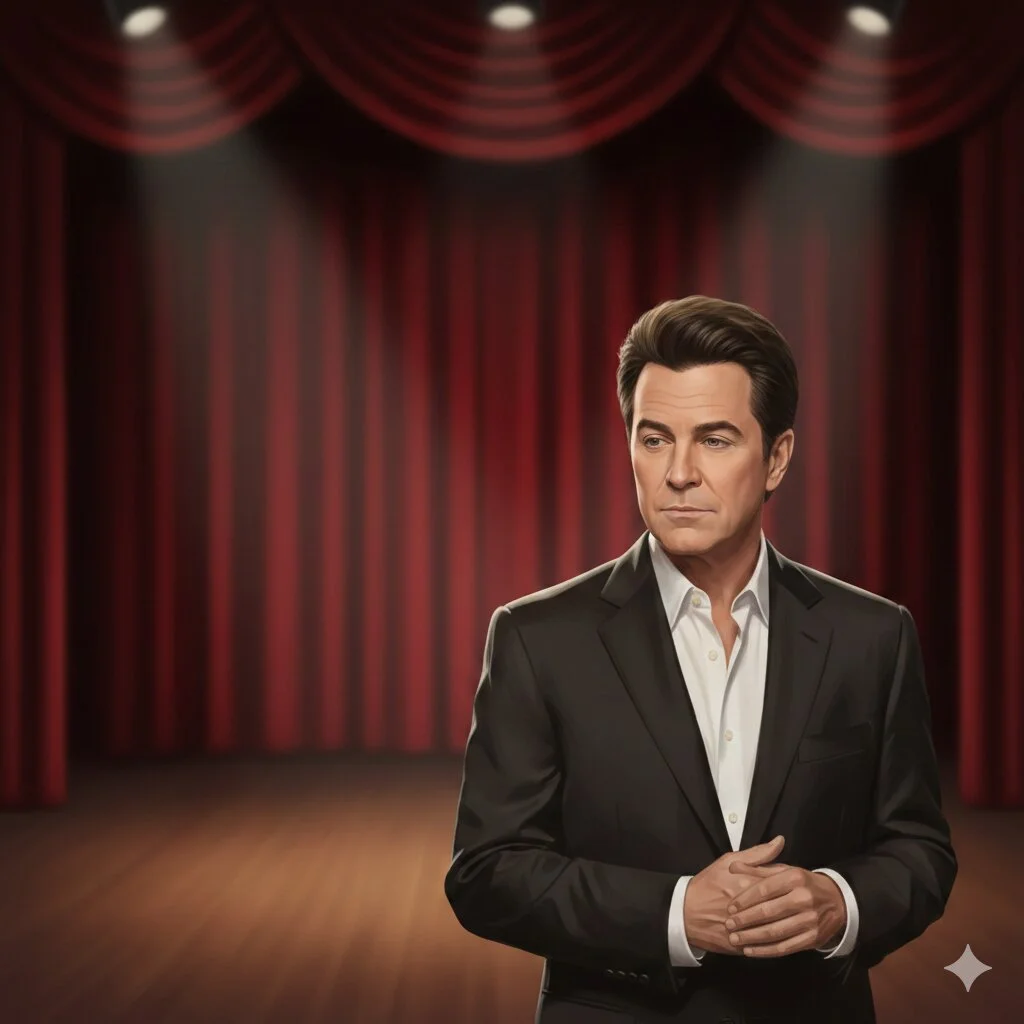
Donny Osmond, a renowned singer and performer, has been open about his experience with avoidant personality disorder. In a 2000 interview, Osmond revealed his diagnosis and discussed his intense fear of going on stage.
Therapy has played a crucial role in Osmond's journey. As the primary treatment for avoidant personality disorder, it has helped him develop coping strategies for social situations and performance anxiety.
Through therapy, Osmond has learned to better manage his symptoms and continue his successful career in the entertainment industry. His commitment to treatment has allowed him to maintain his status as a longtime Las Vegas headliner.
Osmond's willingness to share his experiences has helped raise awareness about avoidant personality disorder. By discussing his therapy journey, he has contributed to reducing stigma surrounding mental health issues in the entertainment world.
5) Zack Greinke: MLB pitcher's candid discussions

Zack Greinke, a renowned Major League Baseball pitcher, has been open about his struggles with social anxiety and depression. His journey in professional baseball has been marked by both exceptional talent and mental health challenges.
In 2006, Greinke took time away from the sport to address his mental health issues. He sought treatment and worked with professionals to manage his anxiety and depression.
Upon returning to baseball, Greinke spoke candidly about his experiences. He discussed the difficulties of performing under pressure and dealing with social situations in the public eye.
Greinke's openness helped bring attention to mental health in professional sports. His willingness to share his story encouraged other athletes to seek help when needed.
Throughout his career, Greinke has continued to be honest about his ongoing mental health management. He has emphasized the importance of self-care and seeking support when necessary.
Greinke's success on the field, including winning the Cy Young Award in 2009, has shown that mental health challenges do not define an athlete's capabilities. His journey has inspired many and contributed to reducing stigma around mental health in sports.
6) Adele: Singer who's navigated anxiety

Adele, the Grammy-winning British singer-songwriter, has been open about her struggles with anxiety. The artist, known for her powerful voice and emotional ballads, has faced mental health challenges throughout her career.
Anxiety has impacted various aspects of Adele's life, including her performances and personal relationships. She has described experiencing panic attacks and feeling overwhelmed by large crowds and public appearances.
The singer has taken steps to manage her anxiety, including therapy and self-care practices. Adele has spoken about the importance of prioritizing her mental health and setting boundaries in her professional life.
Despite her struggles, Adele has continued to create music and perform for audiences worldwide. Her willingness to discuss her anxiety has helped raise awareness and reduce stigma surrounding mental health issues in the entertainment industry.
Adele's journey with anxiety serves as an inspiration to many fans who may be facing similar challenges. By sharing her experiences, she has encouraged others to seek help and prioritize their mental well-being.
7) Johnny Depp: Actor's self-described introversion

Johnny Depp, renowned for his versatile acting roles, has openly described himself as an introvert. Despite his fame and on-screen charisma, Depp admits to feeling shy and reserved in real life.
The actor has expressed discomfort in large social settings, preferring solitude and meaningful connections over crowded events. This introversion contrasts sharply with many of his larger-than-life characters.
Depp's inclination towards privacy and introspection is evident in his artistic pursuits off-screen. He often engages in painting and music, activities that allow for personal expression away from the public eye.
In interviews, Depp has surprised fans by stating, "I'm f*ckin' shy, man." This candid admission reveals a side of the actor that many wouldn't expect given his confident on-screen presence.
His preference for living in Europe also reflects his desire for a more secluded lifestyle, away from the constant scrutiny of Hollywood. This choice aligns with his introverted nature and need for personal space.
8) Emma Stone: Shares her journey with anxiety

Emma Stone has been open about her lifelong struggle with anxiety and panic attacks. The Oscar-winning actress first experienced a panic attack at the age of 7, marking the beginning of her journey with anxiety.
Stone has described how anxiety impacted her childhood, making it difficult for her to attend school and socialize. She sought therapy at a young age, which helped her develop coping mechanisms.
Despite her success in Hollywood, Stone continues to manage her anxiety. She has spoken about experiencing panic attacks on set and how she uses various techniques to overcome them.
Stone believes in the importance of discussing mental health openly. By sharing her experiences, she aims to reduce stigma and encourage others to seek help.
The actress credits acting as a therapeutic outlet that has helped her channel her anxiety into her performances. She views her emotional sensitivity as a strength that enhances her ability to portray complex characters.
Stone's journey demonstrates that anxiety can coexist with success and that seeking support is crucial. Her candid discussions have resonated with many fans, fostering greater understanding of anxiety disorders.
9) Barbara Streisand: Overcame extreme shyness
Barbara Streisand, the iconic singer and actress, has openly discussed her struggle with severe shyness throughout her career. Despite her immense talent, Streisand experienced intense anxiety and discomfort in social situations, especially when performing.
Early in her career, Streisand's shyness manifested as stage fright, making it challenging for her to face audiences. She often felt awkward and out of place, which is consistent with symptoms of avoidant personality traits.
To cope with her anxiety, Streisand developed various strategies. She focused intensely on her craft, using her perfectionism as a shield against her insecurities. This dedication to her art helped her build confidence over time.
Streisand's journey of overcoming shyness has been gradual. Through perseverance and professional help, she learned to manage her anxiety and embrace her public role. Her successful career spanning decades stands as a testament to her resilience.
Today, Streisand is known for her powerful performances and confident persona. Her openness about her struggles has inspired many, showing that even those in the spotlight can face and overcome social anxieties.
10) Moses Malone: NBA legend's private nature

Moses Malone, a three-time NBA MVP and Hall of Famer, was known for his dominant presence on the basketball court. Off the court, however, he maintained a notably private and reserved demeanor.
Malone's quiet nature and tendency to avoid the spotlight led some to speculate about his personality. While never officially diagnosed, his behavior aligned with certain traits associated with Avoidant Personality Disorder.
Throughout his career, Malone rarely gave interviews and often shied away from media attention. His teammates and coaches described him as a man of few words who preferred to let his performance speak for itself.
Despite his incredible achievements, including leading the Philadelphia 76ers to an NBA championship in 1983, Malone remained enigmatic to many. His reluctance to engage in social situations outside of basketball fueled curiosity about his personal life.
Malone's private nature extended beyond his playing days. Even after retirement, he maintained a low profile, rarely making public appearances or participating in NBA events.
While the exact reasons for Malone's reserved behavior remain unknown, his legacy as both a basketball icon and a deeply private individual endures.
Understanding Avoidant Personality Disorder
Avoidant Personality Disorder (APD) is a complex mental health disorder characterized by extreme severe social anxiety and fear of rejection. It is one of several mental illnesses that significantly impact an individual’s ability to form relationships and engage in everyday social interactions that involve significant interpersonal contact. The diagnosis of Avoidant Personality Disorder is based on specific diagnostic criteria outlined in the DSM-5-TR.
Clinicians use diagnostic tools and assessments to distinguish APD from other mental health disorders, such as dependent personality disorder and borderline personality disorder, which may share overlapping features but differ in core patterns of behavior and emotional regulation. Various factors, including genetics, psychological factors, childhood emotional neglect, and environmental influences, contribute to the development of APD.
While both avoidant personality disorder and social anxiety disorder involve social fears, APD—sometimes historically referred to as anxious personality disorder—is marked by pervasive social inhibition and avoidance across most areas of life. In contrast, social anxiety disorder typically involves specific social phobias and situational fears rather than the broad, enduring patterns seen in most personality disorders.
Characteristics and Symptoms
People with APD often exhibit intense shyness, emotional sensitivity, and persistent feelings of inadequacy. They may avoid social situations due to an overwhelming fear of criticism or embarrassment. Common symptoms include:
Reluctance to engage with others unless certain of being liked
Preoccupation with being rejected or negatively evaluated
Self-isolation to avoid potential rejection
Difficulty trusting others and forming close relationships
Low self-esteem and feelings of inferiority
Actively avoiding social interactions or intimacy to prevent rejection or discomfort
APD often leads to significant interpersonal difficulties, particularly in situations that require significant interpersonal contact, making it hard to form and maintain close relationships.
These individuals may appear socially awkward or reserved. They often have a strong desire for companionship but struggle to initiate or sustain relationships due to persistent fear and self-doubt.
Impact on Daily Life
APD can significantly disrupt multiple areas of a person’s life and overall mental health. It may affect:
Work: Individuals might avoid roles, meetings, or promotions that involve significant interpersonal contact
Education: Students may struggle with group assignments, presentations, or classroom participation
Relationships: Forming romantic partnerships or close friendships becomes challenging
Daily tasks: Activities such as shopping, making phone calls, or attending appointments may trigger intense anxiety
People with APD often experience chronic loneliness and isolation. They may miss opportunities for personal and professional growth due to avoidance behaviors rooted in fear of rejection.
Intense Fear and Its Consequences
One of the most defining features of avoidant personality disorder is the intense fear of criticism, rejection, and negative evaluation by others. This overwhelming anxiety can shape nearly every aspect of a person’s life, from relationships to career decisions. People with AVPD often avoid social situations or new experiences not because of disinterest, but because the fear of being judged feels insurmountable.
This persistent fear can lead to withdrawal from friends, family, and colleagues, reinforcing feelings of inadequacy and low self-esteem. Over time, these patterns can create a self-perpetuating cycle common in many mental illnesses, especially personality-related conditions.
Therapy and support are crucial in helping individuals with avoidant personality disorder confront these fears, develop healthier coping strategies, and gradually build confidence in social situations.
Therapeutic Approaches and Treatments
Effective treatments for Avoidant Personality Disorder focus on addressing underlying fears, distorted self-beliefs, and social skill deficits. Professional help and peer support play essential roles in recovery.
With appropriate treatment, individuals with APD may experience meaningful improvements in social functioning, emotional resilience, and quality of life. If you recognize these symptoms in yourself, seeking support from a mental health professional is an important step toward healing.
Cognitive Behavioral Therapy
Cognitive Behavioral Therapy (CBT) is a primary and well-researched treatment for Avoidant Personality Disorder. CBT helps individuals identify and challenge negative thought patterns that fuel avoidance behaviors and social withdrawal.
Exposure therapy, a CBT-based technique, gradually introduces individuals to feared social situations in a controlled and supportive environment. This approach allows them to practice coping skills and reduce anxiety over time.
CBT also targets self-esteem issues, which are central to APD and other personality-related mental health disorders, by helping individuals develop a more balanced and compassionate self-view.
Support Groups and Community Resources
Support groups offer valuable peer connections for those living with Avoidant Personality Disorder. These spaces allow individuals to share experiences and coping strategies with others facing similar challenges.

Online forums and social media communities can be particularly helpful for individuals with APD who feel overwhelmed by face-to-face interaction. Local mental health organizations may also offer workshops on anxiety management and interpersonal skills.
Some communities provide social clubs designed for adults with social anxiety or avoidant tendencies, offering low-pressure activities that foster gradual engagement and confidence-building.
Raising Awareness and Reducing Stigma
Raising awareness about avoidant personality disorder and other mental health disorders is essential for creating a more compassionate and informed society. Many people with AVPD suffer in silence due to stigma and misunderstandings surrounding mental health and personality disorders.
Education, open dialogue, and representation help normalize conversations about APD and related conditions. Support groups and advocacy efforts promote empathy, encourage help-seeking, and reduce the shame often associated with these conditions.
Reducing stigma benefits not only individuals with avoidant personality disorder but also strengthens communities by fostering understanding and support for people facing a wide range of mental illnesses.
Conclusion and Final Thoughts
Avoidant personality disorder is a complex and often misunderstood condition that can profoundly affect a person’s life, relationships, and sense of self-worth. Although it shares features with conditions such as dependent personality disorder and borderline personality disorder, APD has unique challenges that require specialized understanding and care.
With appropriate treatment—including therapy, community support, and increased awareness—individuals with avoidant personality disorder can learn to manage their symptoms, build confidence, and lead fulfilling lives.
If you or someone you know is struggling with AVPD or other personality-related mental health disorders, remember that help is available and recovery is possible. By continuing to raise awareness and foster empathy, we can create a world where everyone feels empowered to seek support and prioritize their mental well-being.
