Chicago Med Sociopath Kid: Analyzing a Gripping TV Episode
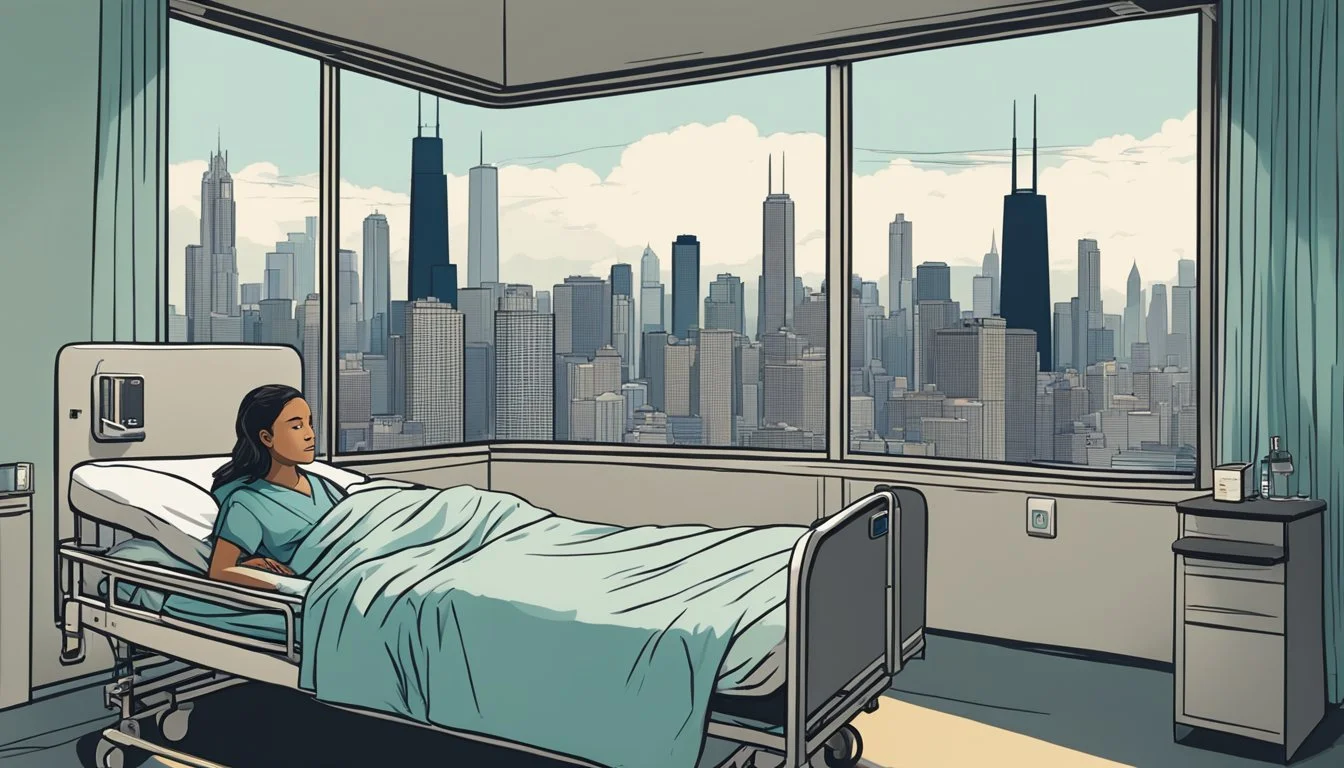
Chicago Med’s first season explored a chilling case involving a suspected child sociopath. In episode 14, titled “Hearts,” Dr. Charles encountered a 10-year-old boy exhibiting disturbing behaviors that raised red flags.
The patient’s absence of empathy, manipulative tendencies, and violent potential led Dr. Charles to suspect he was dealing with a child psychopath, which he believed threatened his family. The doctors and family had originally thought the boy’s troubling actions were just a phase or the result of stress, but the shocking diagnosis of possible psychopathy changed their perspective. This storyline highlighted the complex ethical and medical challenges faced when dealing with underage patients displaying antisocial traits.
The episode delved into the difficult decisions medical professionals must make when confronted with potentially dangerous young patients. The events that unfolded—including manipulation, lack of remorse, and escalating aggression—prompted the team to consider sociopathy as a diagnosis. The medical team recognized the real danger posed by the child’s behavior, not only to his family but also to others around him.
Imagine the emotional and professional impact on the doctors and family as they struggled to process the reality of the situation. It also touched on the impact such diagnoses can have on families, as the boy’s parents grappled with the implications of their son’s condition and the limited treatment options available.
Introduction to the Episode
The episode “Hearts” from Chicago Med Season 1 stands out as one of the most thought-provoking and emotionally charged storylines in the series. In this episode, viewers are introduced to Griffin Taylor, a young patient whose disturbing behaviors and lack of empathy quickly draw the attention of Dr. Charles, the hospital’s experienced psychiatrist.
As the episode unfolds, the medical team is faced with the daunting task of diagnosing and managing what appears to be conduct disorder or even early signs of psychopathy in a child. The portrayal of Griffin’s case not only highlights the complexities of identifying sociopathic children but also raises important questions about the nature of empathy, the challenges of early diagnosis, and the far-reaching impact such behaviors can have on families and healthcare professionals.
By delving into the nuanced process of psychiatric evaluation and the emotional struggles faced by all involved, this episode of Chicago Med offers a compelling look at the realities of dealing with child psychopathy and the critical role of compassionate, informed care.
Understanding Sociopathy
Sociopathy is a complex mental health condition characterized by a lack of empathy and disregard for social norms. It falls under the broader category of antisocial personality disorder. True psychopathy cannot be diagnosed in kids; it is only diagnosed in adults after brain development is complete.
Definition and Pathology
Sociopathy involves persistent patterns of manipulative and antisocial behavior. Key traits include:
Disregard for right and wrong
Lying and deceit
Impulsivity and risk-taking
Lack of remorse or guilt
Aggressive or violent tendencies
These behaviors typically emerge in childhood or adolescence. The exact causes remain unclear, but both genetic and environmental factors likely play a role.
Sociopaths often struggle to maintain relationships and may engage in criminal activities. They can be charming and charismatic on the surface, making their condition difficult to identify.
Sociopath vs. Psychopath
While often used interchangeably, sociopathy and psychopathy have some distinctions:
Sociopaths:
May form emotional connections, albeit shallow ones
Tend to be more impulsive and erratic
Often have unstable or chaotic lifestyles
Psychopaths:
Generally unable to form emotional bonds
More calculating and methodical in their actions
Can maintain the appearance of a normal life
Both conditions involve a lack of empathy and antisocial behaviors. However, psychopathy is considered more severe and is associated with more predatory conduct.
Character Analysis: Griffin Taylor

Griffin Taylor, a young patient introduced in Chicago Med season 1, stands out as a complex and unsettling character. As the family's son, Griffin's behavior presents significant challenges for both his parents. His father, in particular, struggles to understand and respond to Griffin's disturbing actions. His interactions with medical staff, particularly Dr. Daniel Charles, reveal a disturbing psychological profile that challenges typical notions of childhood behavior and mental health.
Profile and Background
Griffin Taylor appears in the episode "Hearts" as the older brother of Bo, a child admitted with a broken wrist. Though not the primary patient, Griffin quickly becomes the focus due to his unsettling demeanor. He displays an unusual level of interest in medical procedures and hospital operations for a child his age.
Griffin’s family background is not extensively explored, but his parents seem unaware or in denial about his concerning behavior. The mother, in particular, is portrayed as emotionally distant and struggles to recognize or address Griffin's troubling actions, which further impacts the family's dynamics. This lack of acknowledgment or intervention by his family likely contributes to the persistence of Griffin’s problematic actions and attitudes.
Griffin's Interactions with Dr. Charles
Dr. Daniel Charles, the head of psychiatry, takes particular interest in Griffin's case. Their interactions are marked by Griffin's attempts to manipulate and outsmart the seasoned psychiatrist. Dr. Charles observes Griffin's behavior closely, noting his lack of empathy and his calculated responses.
The talk between Griffin and Dr. Charles is significant, as their conversations reveal crucial aspects of Griffin’s psychological state and help uncover his underlying issues. Griffin demonstrates an eerie calmness when discussing potentially disturbing topics. He shows no remorse for hurting his brother and seems to enjoy the intellectual challenge of sparring with Dr. Charles. These interactions serve as key diagnostic moments, revealing Griffin’s sociopathic tendencies.
Griffin's Psychological Evaluation
Dr. Charles's assessment of Griffin points towards a troubling diagnosis. Griffin exhibits classic signs of antisocial personality disorder, despite his young age. Key traits include:
Lack of empathy
Manipulative behavior
Absence of remorse
Calculated responses to authority figures
It is during the evaluation that Dr. Charles and Griffin's family begin to realize the gravity of his psychological issues, acknowledging that his behavior goes far beyond typical childhood mischief.
While a definitive diagnosis of sociopathy in children is controversial, Griffin’s behavior raises serious concerns about his mental health and potential future actions. The episode leaves viewers with an unsettling ambiguity about Griffin’s fate and the potential consequences of his untreated condition.
The Role of Family
Family dynamics play a crucial part in shaping a child’s behavior and mental health. The interactions within a family unit can significantly influence the development of sociopathic tendencies in children. The family must also deal with the challenges and disruptions caused by Griffin's actions, which can further impact their relationships and overall well-being.
Influence of Parenting
Parents’ actions and decisions have a profound impact on their children’s psychological development. In the case of Griffin Taylor from Chicago Med, his parents’ choice not to intervene after he hurt his brother had serious consequences. This lack of action may have reinforced Griffin’s harmful behavior. Sometimes, parents find it difficult to accept their child's problematic behavior, which can delay necessary intervention.
Effective parenting involves setting clear boundaries and addressing problematic conduct promptly. When parents fail to do so, children may not learn appropriate social norms or empathy.
Consistency in discipline and emotional support are key factors in preventing antisocial behaviors. Parents who model positive relationships and teach conflict resolution skills help their children develop healthier social interactions.
Sibling Relationships
Sibling interactions can significantly shape a child's social skills and emotional intelligence. In Griffin's case, his relationship with his brother Tate was marked by violence and aggression.
Healthy sibling relationships provide opportunities for children to learn cooperation, empathy, and conflict resolution. However, when one sibling consistently harms another, it can create a toxic family environment.
Parents play a crucial role in mediating sibling conflicts and ensuring the safety of all children in the family. Failure to address sibling violence can lead to long-term psychological damage for both the aggressor and the victim.
Encouraging positive sibling bonds through shared activities and fair treatment can help prevent the development of antisocial behaviors in children.
Medical Perspectives
Dr. Charles approaches the case of a potentially sociopathic child with careful psychiatric evaluation. The diagnosis and intervention process on Chicago Med highlights the complexities of childhood mental illness.
Psychiatric Approach in Chicago Med
Dr. Charles, the head of psychiatry at Chicago Med, takes a methodical approach when assessing the young patient. He observes the child’s behavior, interactions with family members, and responses to various stimuli. Based on these observations, Charles makes a careful diagnosis, considering both psychological and behavioral factors.
Dr. Charles conducts in-depth interviews with the parents and siblings to gather a comprehensive family history. He pays close attention to any patterns of manipulation, lack of empathy, or aggressive tendencies displayed by the child.
The psychiatric team uses standardized assessment tools designed for evaluating conduct disorders and antisocial traits in children. These help quantify the severity of symptoms and guide treatment planning.
Diagnosis and Intervention
Diagnosing sociopathy or antisocial personality disorder in children is controversial. Mental health professionals are cautious about labeling young patients with such serious conditions.
Dr. Charles focuses on identifying specific problematic behaviors and emotional deficits. He considers alternative explanations, such as trauma, neglect, or other psychiatric disorders that may present similarly.
If a diagnosis is made, the team develops a multi-faceted intervention plan. Manning treats Griffin as part of the multidisciplinary team, contributing her expertise to the intervention process. This often includes:
Individual therapy for the child
Family therapy sessions
Behavioral modification strategies
Potential medication to manage specific symptoms
DCFS may be contacted if there are concerns about the child’s safety or the safety of others in the household. The goal is to provide support and resources to the family while protecting all involved parties.
Legal and Ethical Considerations
The treatment of child sociopaths raises complex legal and ethical issues. Medical professionals must navigate child protection laws while providing appropriate care. Ethical dilemmas often arise when balancing patient confidentiality with public safety concerns.
Working with Child Protective Services
In cases involving sociopathic children, healthcare providers like Dr. Charles may be legally required to report concerns to Child Protective Services. The Department of Children and Family Services (DCFS) in the United States investigates reports of child abuse or neglect.
Medical staff must document observations thoroughly and objectively. They should avoid speculation and focus on factual information when filing reports. Collaboration between medical teams and DCFS is crucial for ensuring child safety.
Healthcare providers may face challenges in determining when to involve DCFS. Clear hospital policies can guide decision-making in complex cases.
Ethical Dilemmas in Treatment
Treating sociopathic children presents unique ethical challenges. Patient confidentiality must be weighed against potential risks to others. Therapists may struggle with disclosure decisions if a child reveals plans to harm someone.
Obtaining informed consent can be complicated when working with minors. Parental rights must be respected while prioritizing the child's well-being. In some cases, court orders may be necessary to mandate treatment.
Clinicians must remain objective and avoid personal biases when treating sociopathic youth. Regular ethical consultations and peer supervision can help providers navigate difficult cases.
Case Study: Season 1's Portrayal
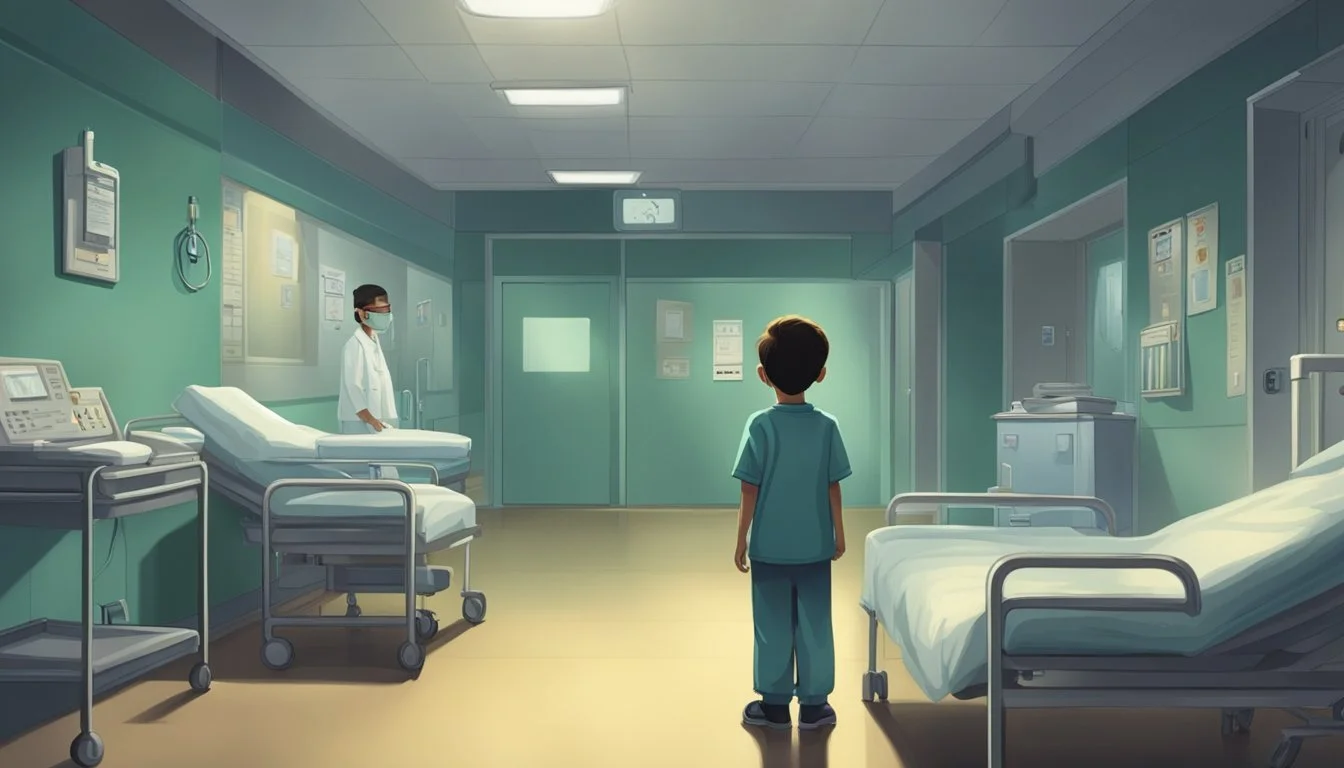
Season 1 of Chicago Med introduced a compelling storyline featuring Griffin Taylor, a young patient whose behavior raised concerns among the medical staff. The episode heightened tension by presenting the real risk and fear of a child dying during treatment, especially in high-stakes moments on the operating table. This portrayal sparked discussions about childhood mental health and the challenges of diagnosis.
Griffin's Story Arc
Griffin Taylor appeared in the episode “Hearts” as the older brother of a patient named Bo. His unsettling demeanor immediately caught the attention of Dr. Natalie Manning. Griffin displayed an unusual level of interest in medical procedures and seemed to lack empathy for his injured brother.
As the episode progressed, Griffin’s behavior became increasingly alarming. He manipulated situations to gain access to medical equipment and showed a disturbing fascination with pain and suffering. Dr. Charles, the psychiatrist, became involved in the case and suggested a possible diagnosis of conduct disorder. During these events, there is a moment when Reese faints in front of Dr. Halstead, adding to the tension and highlighting the emotional impact of the case.
The storyline culminated in a tense confrontation where Griffin’s parents were informed about their son’s concerning behavior. The show left the resolution open-ended, reflecting the complex nature of such cases in real life.
Critical Reception and Discussion
The portrayal of Griffin Taylor in Chicago Med’s first season generated significant viewer interest and critical discussion. Many praised the show for tackling the sensitive topic of childhood mental health issues. The storyline highlighted the challenges medical professionals face when diagnosing and addressing potential sociopathic tendencies in young patients.
Some viewers expressed frustration with the lack of a clear resolution to Griffin’s story. Others appreciated the realistic approach, noting that such cases often don’t have simple solutions. Mental health experts commended the show for raising awareness about conduct disorders in children. The episode also made news in both the medical and entertainment press, with several outlets reporting on its depiction of complex psychiatric cases and its impact on public awareness.
The episode sparked debates about the ethics of labeling children with psychiatric disorders and the responsibility of medical professionals in such situations. It also prompted discussions about the support systems needed for families dealing with similar issues.
Supporting Cast and Roles

The supporting cast played crucial roles in addressing the sociopathic child’s case on Chicago Med. Medical professionals worked together to uncover the truth and provide appropriate care. Sharon Goodwin, as the hospital administrator, was actively involved in overseeing the case and making key decisions regarding patient care and family issues.
Dr. Natalie Manning's Involvement
Dr. Natalie Manning initially treated the young patient, Griffin Taylor, suspecting abuse. She noticed suspicious injuries and became concerned for the child’s welfare. Manning consulted with Dr. Charles, the hospital’s psychiatrist, to gain insight into Griffin’s behavior.
As part of her approach, Manning spent time talking with Griffin and his family to gather important information about his social interactions and emotional state.
Her careful observations and medical expertise were vital in uncovering the truth about Griffin’s condition. Manning’s dedication to her patients shone through as she worked to ensure proper diagnosis and treatment.
April Sexton's Confrontation
April Sexton, a nurse at Chicago Med, had a tense encounter with Griffin Taylor. During a routine check-up, Griffin exhibited aggressive behavior towards April. She maintained her composure and professionalism despite the challenging situation.
April’s quick thinking and ability to handle difficult patients proved invaluable. Her experience helped the medical team better understand Griffin’s behavioral issues and potential risks to staff and other patients.
In this episode, April starts a new relationship with a patient's father, adding a personal subplot to her storyline.
Other Key Medical Staff and Their Roles
Dr. Daniel Charles, the head of psychiatry, played a pivotal role in diagnosing Griffin’s condition. His expertise in behavioral disorders was crucial in identifying the child’s sociopathic tendencies.
Maggie Lockwood, the charge nurse, coordinated efforts between departments. She ensured smooth communication and proper protocols were followed during Griffin’s stay. Maggie's advice to a colleague about maintaining professional boundaries, especially regarding relationships with patients' families, highlighted her role as a voice of guidance within the team.
Dr. Ethan Choi assisted in the case, providing additional medical support and observations. His military background offered a unique perspective on handling potentially dangerous situations. Choi deals with his own personal challenges, such as PTSD, while still managing to contribute effectively to complex medical cases.
Therapeutic Interventions and Outcomes
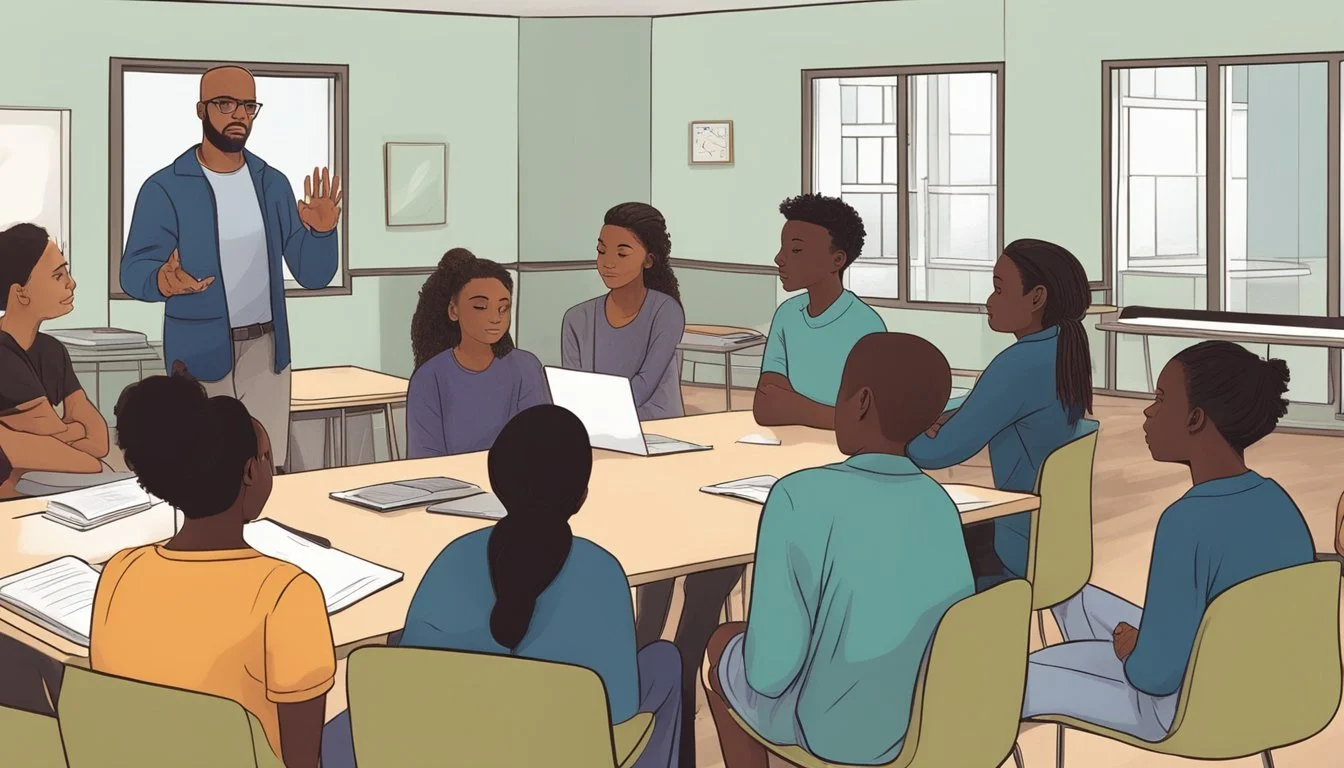
Effective treatment for sociopathic children involves targeted therapy, counseling, and long-term monitoring. These approaches aim to address behavioral issues and improve social functioning.
To see how these interventions are portrayed, watch the episode for a deeper understanding.
Therapy and Counseling
Cognitive Behavioral Therapy (CBT) is a primary intervention for sociopathic children. It focuses on changing thought patterns and behaviors. Therapists like Dr. Charles may use CBT to help children develop empathy and emotional regulation skills.
Family therapy is also crucial. It involves parents and siblings in the treatment process. This approach helps create a supportive home environment and improves family dynamics.
Play therapy can be effective for younger children. It allows them to express emotions and work through issues in a safe, controlled setting.
Group therapy sessions provide opportunities for sociopathic children to practice social skills. These sessions often include role-playing exercises and peer feedback.
Monitoring and Long-term Care
Consistent monitoring is essential for sociopathic children. Regular check-ins with therapists and psychiatrists help track progress and adjust treatment plans as needed.
School-based interventions are important. Teachers and counselors can provide daily support and reinforce positive behaviors. They may use behavior charts or reward systems to encourage prosocial actions.
Medication may be prescribed in some cases. Antidepressants or mood stabilizers can help manage associated symptoms like aggression or impulsivity.
Long-term care often extends into adulthood. It may include ongoing therapy sessions and support groups. The goal is to prevent the development of full-blown antisocial personality disorder.
Community support programs can offer additional resources. These may include mentoring services or skill-building workshops for affected individuals and their families.
Character Development
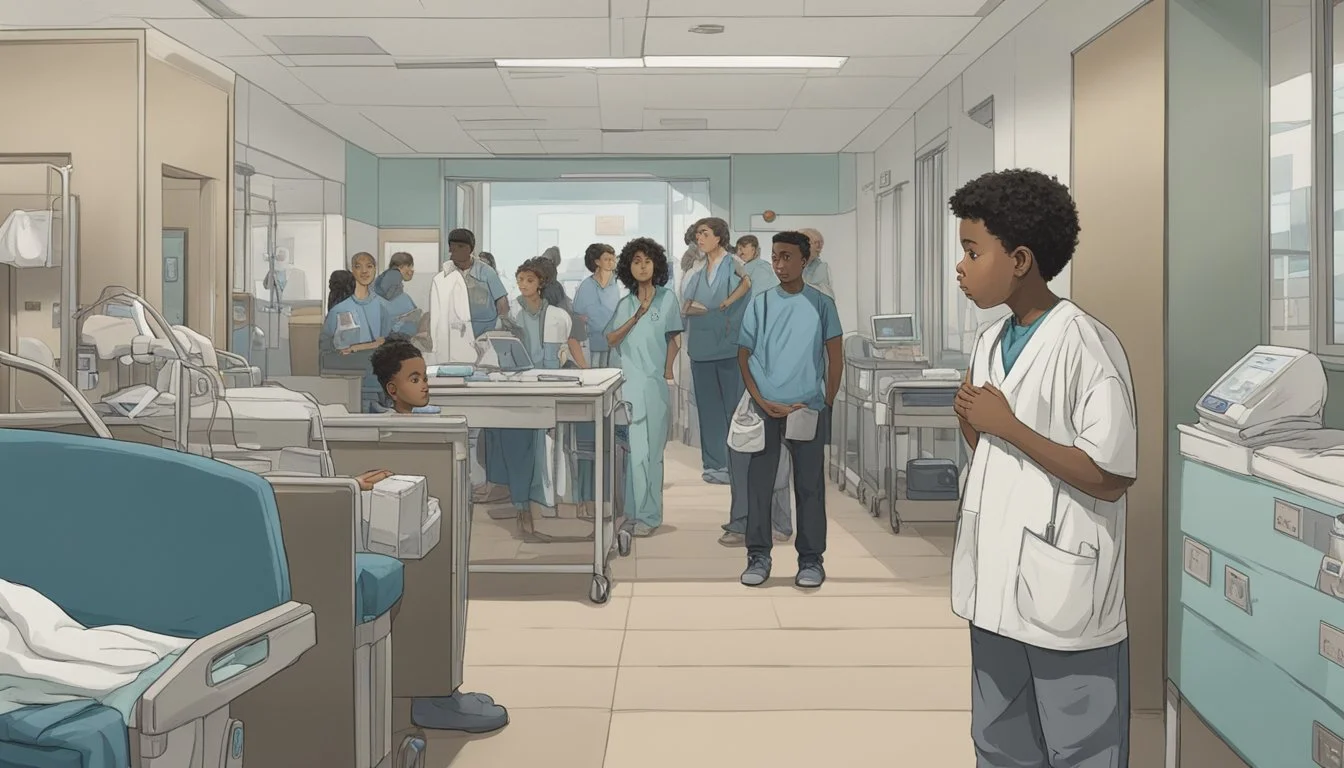
Griffin Taylor's character arc in Chicago Med showcases significant evolution. His interactions with other characters and personal struggles shape his growth throughout the series.
Evolving Relationships
Griffin's relationships with his family members and hospital staff undergo notable changes. Initially, his behavior causes friction, particularly with his younger brother Bo. Griffin's interactions with Dr. Manning reveal his complex nature, as she works to understand and treat him.
The dynamic between Griffin and his parents shifts as they grapple with his diagnosis and treatment options. Hospital staff, including Dr. Charles, play a crucial role in Griffin's development by providing professional insights and support.
Personal Growth
Griffin faces numerous challenges that contribute to his personal growth. His aggressive tendencies and lack of empathy are addressed through therapy and medical interventions. As the series progresses, Griffin shows signs of increased self-awareness and emotional regulation.
His experiences at the hospital expose him to different perspectives, potentially influencing his worldview. Griffin's journey involves learning to navigate social situations and form healthier connections with others. This growth process is not linear, with setbacks and breakthroughs shaping his character development.
Chicago Med and Sociopathic Children
Chicago Med’s approach to the topic of sociopathic children is both bold and nuanced, particularly in its depiction of Griffin Taylor’s case. The episode shines a light on the immense challenges faced by medical professionals when dealing with children who display signs of conduct disorder and psychopathy.
Through Griffin’s troubling behavior, the show explores the emotional toll that such cases can take on both families and the hospital staff. Dr. Natalie Manning’s initial suspicion of child abuse is quickly complicated by the realization that Griffin’s actions stem from a deeper psychological issue, not external harm.
This shift in perspective underscores the importance of looking beyond surface symptoms to understand the root causes of a child’s behavior. The episode also emphasizes the potential consequences of untreated psychopathy, including the risk of harm to others and the long-term impact on the child’s own development.
By highlighting the need for early intervention, ongoing support, and a multidisciplinary approach, Chicago Med brings attention to the real-life struggles faced by families and communities dealing with sociopathic children, and the critical importance of addressing these issues with empathy and expertise.
Conclusion and Final Thoughts
In conclusion, the “Hearts” episode from Chicago Med Season 1 offers a powerful and insightful exploration of sociopathic children and the complexities of diagnosing and treating conduct disorder and psychopathy.
Through the character of Griffin Taylor and the emotional journey of his family, the show underscores the vital importance of early intervention, therapy, and ongoing support for children exhibiting these challenging behaviors. Dr. Charles’s thoughtful and compassionate approach serves as a reminder that understanding and addressing child psychopathy requires both clinical expertise and genuine empathy.
By bringing these difficult topics to the forefront, Chicago Med not only educates viewers about the realities of sociopathic children but also encourages a more supportive and non-judgmental response from families, professionals, and society as a whole. The episode stands as a significant contribution to the ongoing conversation about conduct disorder and psychopathy, highlighting the need for greater awareness, resources, and understanding for those affected.