7 Male Personality Types: Understanding Archetypes and Social Dynamics
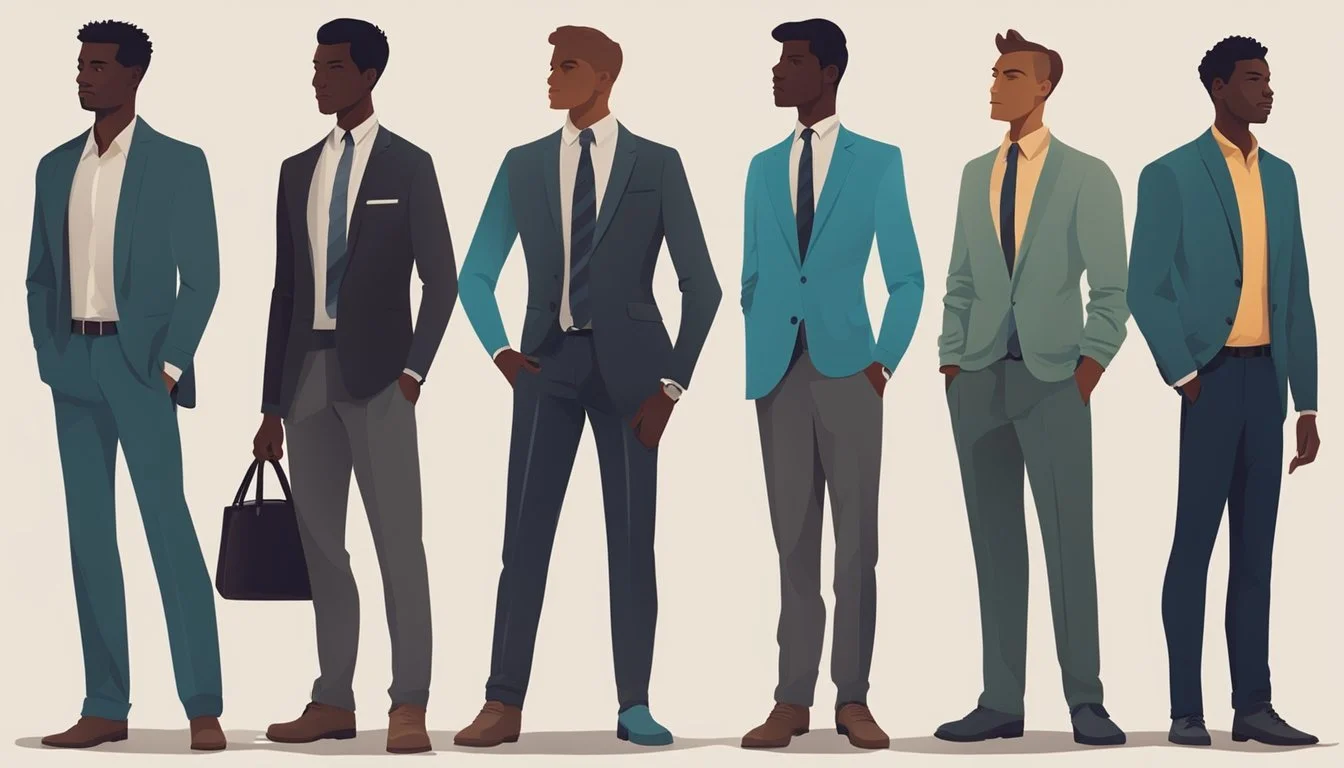
Understanding human behavior has long fascinated philosophers, psychologists, and everyday observers. Among the many frameworks that attempt to explain how men navigate the world, the 7 male personality types stand out for their clarity and cultural relevance.
These archetypes: alpha, beta, sigma, delta, gamma, omega, and zeta, offer valuable insights into social dynamics, interpersonal relationships, and the ways men adapt to societal norms.
Male Personality Type: An Overview
A male personality type is essentially a cluster of common personality traits that influence how a man relates to himself and others. Some men are self-motivated and self-reliant, guided by an own internal compass, while others thrive on external motivation and seek approval.
The biggest difference between these types often lies in their approach to social norms, personal development, and close relationships. Understanding them can help men embrace self-expression, improve self-care, and find success in both interpersonal relationships and professional roles.
1) Sigma Males
The sigma males are often described as lone wolves. They live by their own rules and march to the beat of their own drum. Unlike alpha males who rise naturally to leadership roles, sigmas prefer independence and own company.
Independent thinkers: They are self-aware, self-assured, and often skilled introverts who value freedom above popularity.
Close relationships: Rather than large social circles, they maintain a few close friends with whom they share meaningful bonds.
Life experience: Sigmas often pursue intellectual pursuits, travel to exotic places, or engage in other pursuits that allow them to grow as self-motivated individuals.
In pop culture, sigma males are portrayed as mysterious figures—men who don’t play by society’s popularity contests yet still attract a strong natural pull from others.
2) Omega Male
The omega male is often misunderstood. While pop culture portrays them as socially awkward, the truth is more nuanced. Omega males fit into society by embracing their nerd archetype, often excelling in building models, gaming, or intellectual pursuits.
Highly intelligent: Many omegas are sharp intellectuals who prefer own company over large social gatherings.
Uncouth but delightful senses: They may lack polished social awareness, but their quirks can be endearing.
Personal relationships: Though not always seeking to raise families, omegas often form close relationships with those who appreciate their uniqueness.
One life event can sometimes shift an omega into another archetype, but many are content living life by their own standards.
3) Delta Males
Delta males represent the backbone of society. They are steady, reliable, and often family oriented.
Responsible companions: Deltas make excellent partners and parents, helping to raise families and maintain stability.
Delta males love learning: They are curious and often pursue intellectual pursuits or other pursuits that enrich their lives.
Self-care and growth: While not as flashy as alphas or sigmas, deltas focus on personal development and self-expression in grounded ways.
In workplaces, deltas may not become senior executives, but they are valued for their loyalty, diligence, and ability to adapt to societal norms.
4) Gamma Males
The gamma males are perhaps the most complex of the seven male personality types. They are often highly intelligent, creative, and deeply in touch with others' feelings.
Unique traits: Gammas often have interesting personalities that combine sensitivity with ambition.
Social awareness: They care about social dynamics and are often self-aware enough to recognize their strengths and weaknesses.
Other pursuits: Gammas may devote themselves to art, science, or activism, often becoming rebellious leaders who challenge societal norms.
Though sometimes overlooked, gammas provide a deep understanding of human behavior and contribute significantly to cultural and intellectual growth.
5) Alpha Male
The alpha male is perhaps the most famous male personality type. Known for their confidence and charisma, alpha males tend to rise naturally into leadership positions.
Strong sense of self: Alphas are often self-assured and exude a strong natural pull that attracts others.
Seek power: Many alphas are motivated to become senior executives or leaders in their fields.
Interpersonal relationships: They thrive in social settings, often surrounded by close friends and admirers.
While pop culture portrays alphas as dominant, their true strength lies in their ability to inspire, organize, and motivate others.
6) Beta Males
The beta males are often unfairly stereotyped as submissive, but they embody valuable qualities in personal relationships and society.
Responsible companions: Betas are supportive, loyal, and often more attuned to others' feelings than alphas.
Family-oriented: Many betas excel at helping to raise families and provide emotional stability.
Seek approval: Unlike sigmas or zetas, betas often rely on external motivation and validation from peers.
Despite stereotypes, betas are essential for maintaining harmony in both professional and personal spheres.
7) Zeta Males
The zeta males are the rebels of the group. They operate according to their own internal compass and reject traditional social norms.
Zeta males’ yang: They embody independence, often refusing to participate in popularity contests or societal expectations.
Independent thinkers: Zetas are self-reliant, often living life without concern for status or approval.
Other pursuits: Many zetas focus on intellectual pursuits, travel, or creative endeavors rather than chasing wealth or power.
In pop culture, zetas are often seen as rebellious leaders, carving their own path and inspiring others to do the same.
Interpersonal Relationships
Each male personality type influences interpersonal relationships differently.
Alpha males tend to dominate social settings, while sigma males prefer a few close friends.
Beta males and delta males often excel in close relationships and family life.
Omega males fit best with those who appreciate their quirks, while gamma males connect through emotional depth.
Zeta males may resist traditional bonds but still form meaningful ties with like-minded individuals.
Understanding these dynamics can help men and their partners build healthier, more fulfilling connections.
Male Personality and Social Dynamics
When examining social dynamics, the seven male personality types reveal how men navigate social hierarchies.
Alpha males tend to lead.
Beta males support.
Sigma males walk alone.
Gamma males innovate.
Delta males sustain.
Omega males explore niche roles.
Zeta males reject the system altogether.
This framework reminds us that there is no single "ideal" male personality; instead, each type brings valuable insights into the complexity of human behavior.
Personality Type and Personal Development
Recognizing one’s personality type can be a powerful tool for personal development. Whether someone identifies as an alpha male, a sigma male, or any other archetype, the key is to embrace their own intrinsic value.
By focusing on self-care, cultivating self-awareness, and pursuing intellectual pursuits or other pursuits, men can grow beyond stereotypes and create fulfilling lives aligned with their own internal compass.
Final Thoughts
The 7 male personality archetypes: alpha, beta, sigma, delta, gamma, omega, and zeta, offer a lens through which we can better understand men’s roles in society. While pop culture portrays some as superior, the truth is that each type has its own intrinsic value.
From the strong sense of leadership in alphas to the quiet independence of sigmas, the creativity of gammas, and the resilience of deltas, every male personality type contributes to the rich tapestry of human behavior.
Ultimately, the goal is not to fit neatly into one category but to embrace the unique traits that define us, foster close relationships, and continue living life with authenticity and purpose.