
Do Veterans Benefit from Equine Therapy for Mental Health Struggles?
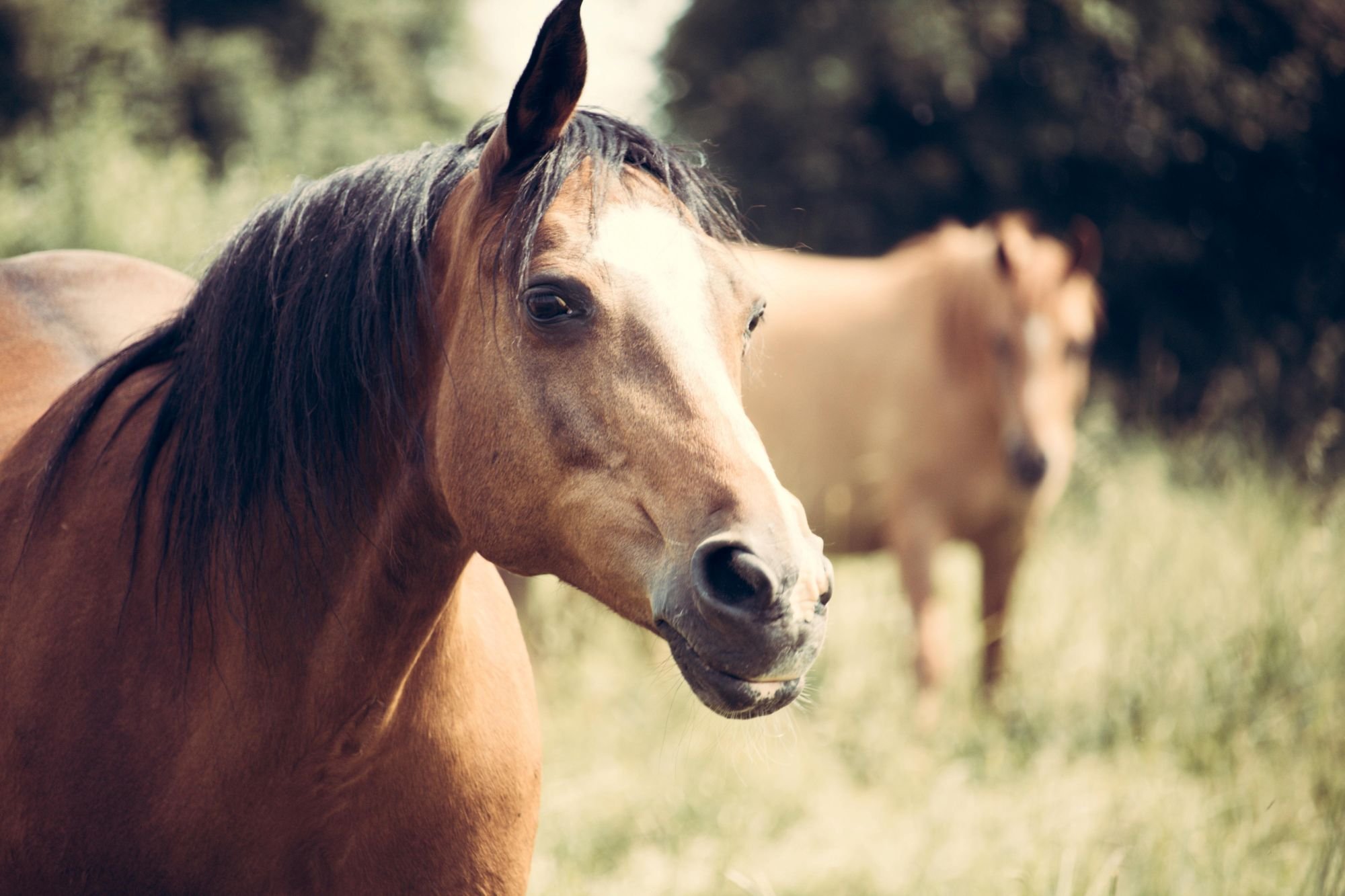
For many veterans returning from service, the path to mental wellness is neither straight nor simple. Traditional talk therapy helps some, but others find it difficult to open up in clinical settings, especially when trauma runs deep, and trust has been worn thin by years of hypervigilance.
That's where equine therapy has quietly been making a difference, offering a therapeutic approach that meets veterans where they are, sometimes literally in the middle of a field, standing beside a 1,200-pound animal that asks nothing except honesty.
Do veterans benefit from equine therapy for mental health struggles? The research and the lived experiences of thousands of veterans say yes, and in ways that go well beyond what many people expect.
What Is Equine Therapy and How Does It Work?
Equine-assisted psychotherapy (EAP) is a form of experiential therapy that involves structured interactions between a client, a licensed mental health professional, and horses. It is not riding lessons. Most sessions take place on the ground, with participants grooming, leading, observing, or simply being present with horses under therapeutic guidance.
Horses are prey animals with a finely tuned sensitivity to emotional and physiological states. They read body language with remarkable accuracy and respond to anxiety, aggression, or emotional withdrawal in real time. That dynamic creates an immediate, honest feedback loop that is hard to manufacture in a traditional therapy room.
Why Veterans Respond Differently to This Kind of Care
Veterans often carry a complicated relationship with vulnerability. The culture of military service values strength, stoicism, and self-reliance, which are qualities that can quietly become barriers to healing. Sitting across from a therapist and talking about fear or grief can feel counterintuitive, even threatening, to someone trained to suppress emotional response under pressure.
Horse-assisted therapy for those who served offers something different: a nonverbal, action-based environment where progress happens through doing, not just discussing. Veterans often report feeling more at ease with horses than with people, partly because horses have no agenda, no judgment, and no pity.
The Science Behind the Connection
Research into equine-assisted therapy for veterans has grown meaningfully over the past decade. Studies have shown reductions in PTSD symptoms, depression, and anxiety among veterans who participate in structured equine programs. A frequently cited study published in the journal Military Medicine found that veterans with PTSD who engaged in equine-assisted activities reported significant improvements in emotional regulation, social functioning, and overall quality of life.
The physiological side of this is worth noting. Grooming or simply standing near a horse has been shown to lower cortisol levels and activate the parasympathetic nervous system, which is the body's rest-and-digest response. For veterans whose nervous systems have been in a state of chronic activation, that shift can feel profound.
How Horses Help Regulate the Nervous System
Combat and trauma wire the brain for threat detection. Veterans with PTSD often experience hyperarousal, meaning their nervous systems are stuck in a state of alertness even in safe environments. Horses, by their nature, demand calm and regulated energy from the people around them. When a veteran learns to slow their breathing and soften their posture to maintain connection with a horse, they are practicing nervous system regulation in a real-world context, not just a breathing exercise on a worksheet.
Common Mental Health Conditions Equine Therapy Addresses in Veterans
Equine therapy is not a single-diagnosis treatment. It has shown value across a range of conditions that frequently affect veterans, including PTSD, major depressive disorder, generalized anxiety, moral injury, substance use disorder, and traumatic brain injury-related emotional dysregulation.
Moral injury deserves particular attention here. Unlike PTSD, which is rooted in fear, moral injury stems from acts that violate a person's deeply held moral code, whether those acts were committed, witnessed, or ordered. Veterans carrying moral injury often struggle with shame, guilt, and spiritual distress that talk therapy alone may not adequately reach. The unconditional presence of a horse, free from the social judgments that complicate human relationships, can provide a therapeutic container that feels genuinely safe.
What Does a Typical Session Look Like?
Sessions vary by program, but most involve an equine specialist and a licensed therapist working together with one or more horses in an enclosed area. A veteran might be asked to observe a horse's behavior and describe what they notice, to guide a horse through a simple task without speaking, or to reflect on what feelings arose during the interaction.
The activity itself is secondary to the therapeutic process it generates. Debriefing after each exercise is where much of the clinical work happens, with the therapist drawing connections between the veteran's experience with the horse and their patterns of thought, emotion, and behavior in daily life.
Is There Evidence It Works Better Than Traditional Therapy?
Equine therapy is generally positioned as a complement to, not a replacement for, evidence-based treatments like cognitive processing therapy or prolonged exposure. That said, for veterans who have not responded well to traditional approaches or who have dropped out of therapy previously, it often serves as an accessible entry point.
The healing power of horses for mental health is increasingly being recognized by VA-affiliated programs, nonprofit organizations, and private treatment centers across the country. Several studies and clinical reviews have noted that veterans who were disengaged from conventional care became more consistently engaged when equine therapy was introduced.
What the VA Says About Complementary Therapies
The Department of Veterans Affairs has expanded its support for complementary and integrative health approaches in recent years. While equine therapy is not yet universally funded through the VA, several PTSD and mental health specialty programs have incorporated it, and peer-reviewed clinical guidelines increasingly acknowledge its value as part of a multimodal treatment approach.
Who Is a Good Candidate for Equine Therapy?
Most veterans who are medically stable and willing to engage in experiential work are reasonable candidates for equine therapy. A physical allergy to horses or a severe animal phobia would be contraindications, but otherwise, the modality is broadly accessible. Veterans do not need prior experience with horses. In fact, having no existing relationship with horses often leads to richer therapeutic material, because there are no performance expectations to navigate.
Veterans dealing with social isolation, difficulty trusting others, resistance to traditional therapy, or chronic emotional numbing are among those who tend to benefit most from this approach.
Finding the Right Program for Mental Health
Not all equine therapy programs are equal. The quality of the clinical team, the structure of the sessions, and the integration with other therapeutic services all matter. When evaluating a program, veterans and their families should ask whether a licensed mental health professional is present and actively facilitating therapy during sessions, not just supervising from a distance.
Ingrained Recovery offers programs in Georgia that integrate equine-assisted therapy into a broader continuum of behavioral health care, grounding the work with horses in a clinical structure that supports lasting change.
A Different Kind of Healing for Veterans
For veterans who have spent years trying to fit their experience into a language that never quite captures it, equine therapy offers something valuable: a way to process what happened without having to find the words first. Horses respond to who you are in the moment, not the story you've been telling yourself about who you became after service.
The benefits veterans report range from measurable symptom reduction to something harder to quantify, a renewed sense of connection, purpose, and self-trust. For a population that has given so much and often struggles to ask for help, a modality that meets them at the fence line rather than on a couch can make all the difference.
